 Quinoa
For many traveler arriving in Peru, the first introduction to the area comes in the form of a small cup of hot tea. Hotels offer it at reception, guides suggest it during treks, and locals drink it throughout the day. The tea is mate de coca, and visitors quickly hear that it helps with altitude sickness, boosts energy, and has been used by Peruvian cultures for centuries. 1
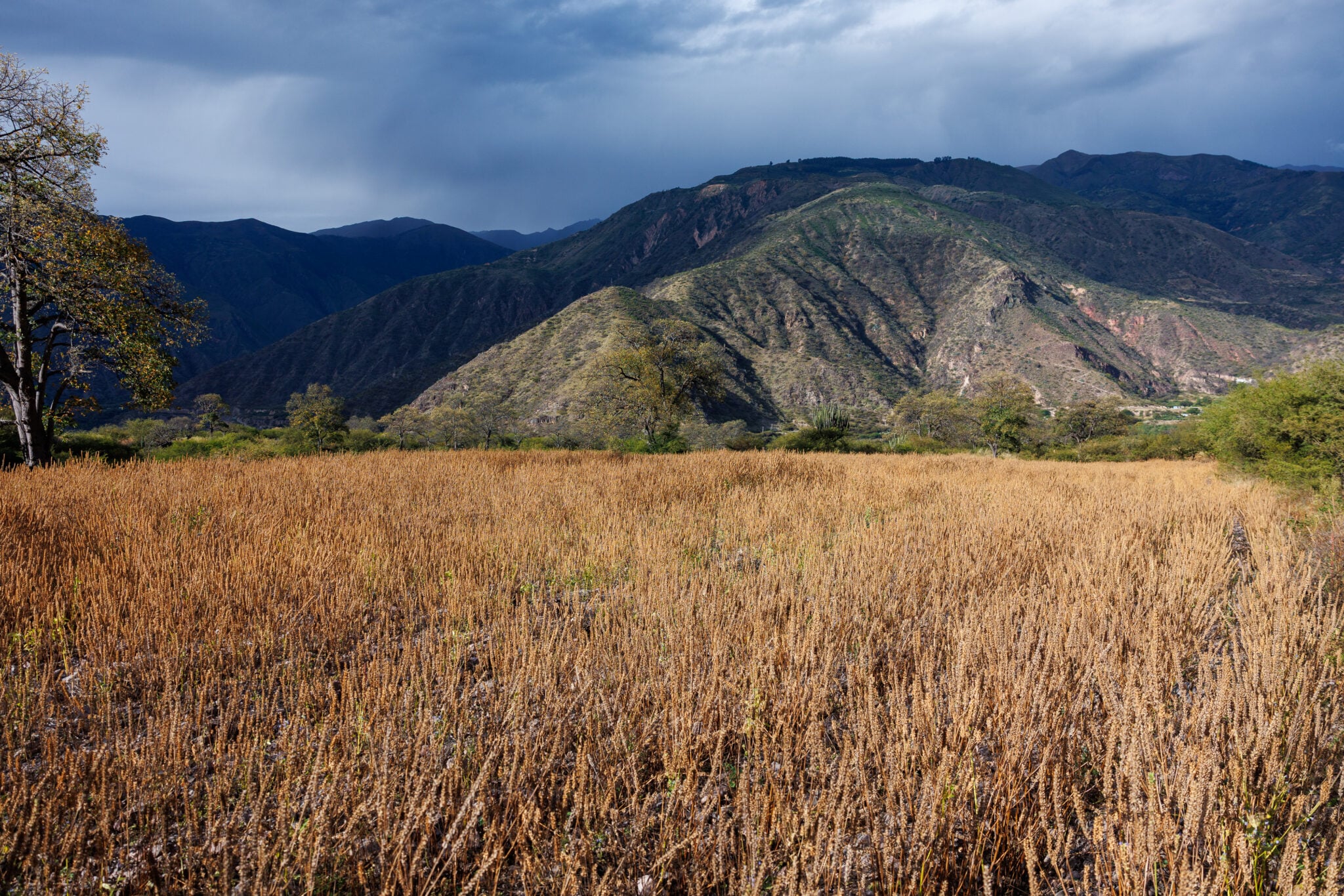
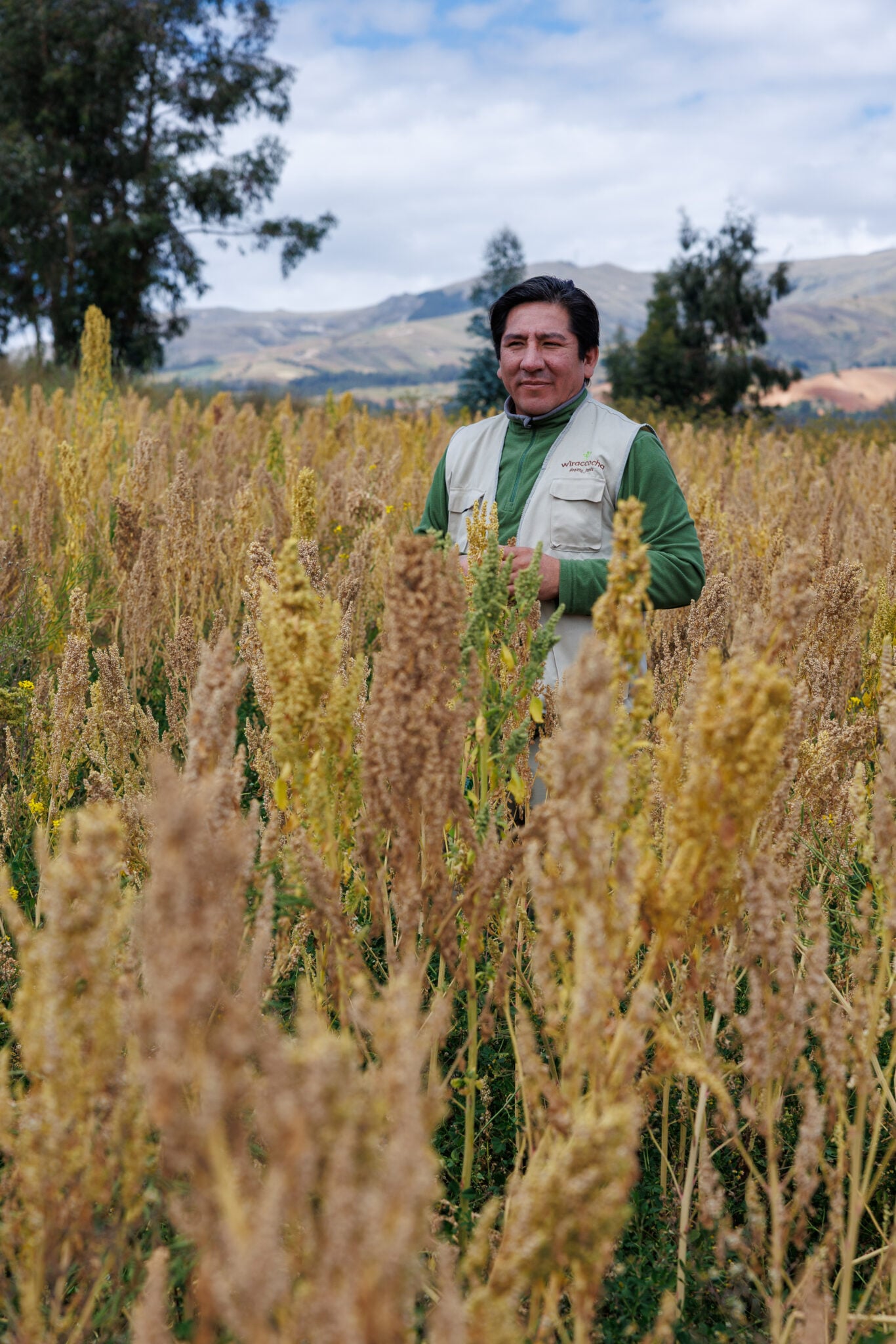
Wirccocha Quinoa Field in Peru
We arrived in Ayacucho, Peru, which sits 9,030 feet above sea level, and the high altitude hit our cameraman hard. Shortness of breath, a pounding headache, and that heavy, slightly nauseated fog that settles in before you’ve even done anything strenuous. So our first day wasn’t spent filming. It was spent resting, drinking water, and letting his body acclimate to the elevation before we pushed any higher. Altitude sickness is common in this part of the Peruvian highlands, and taking that first day slow made all the difference.
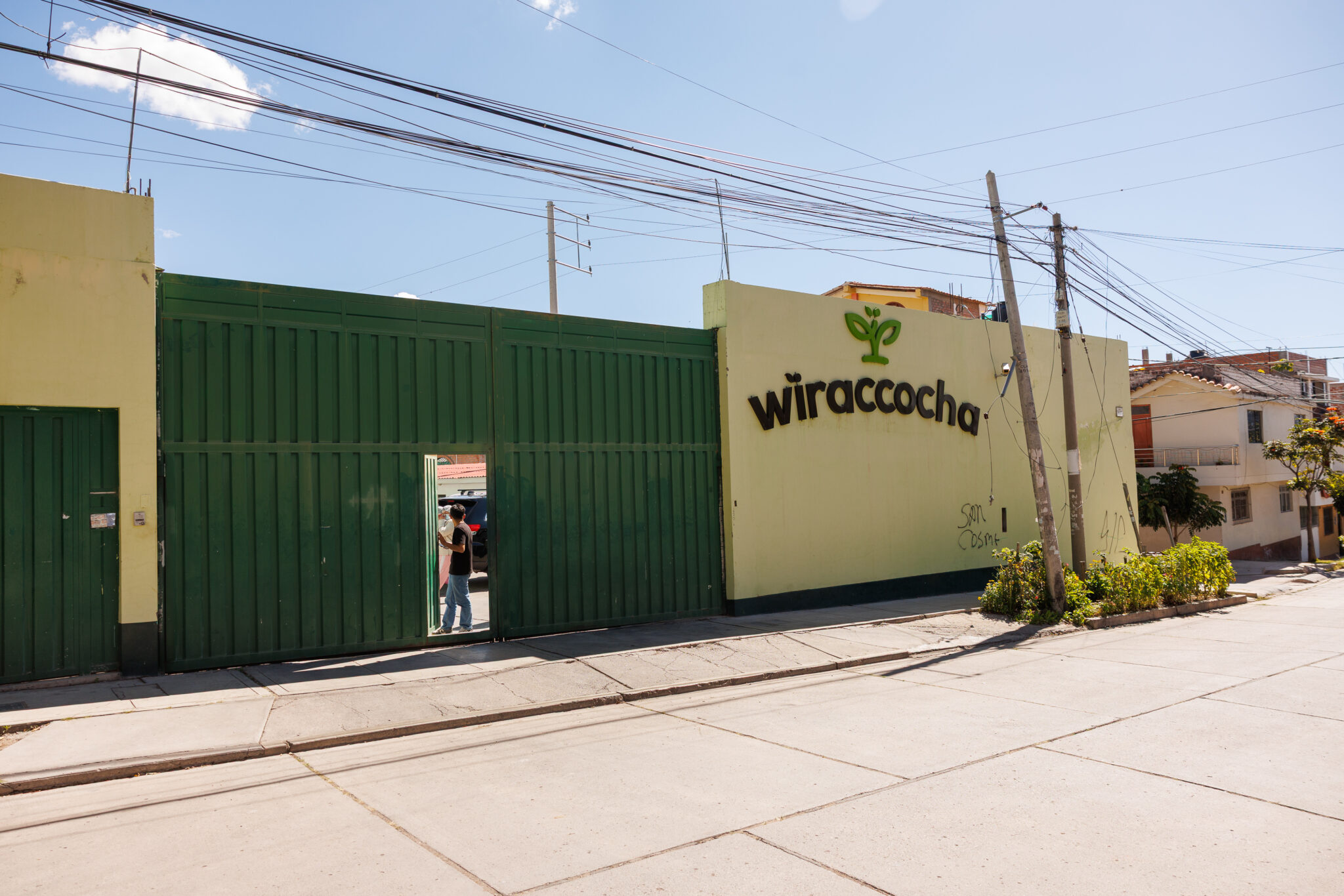
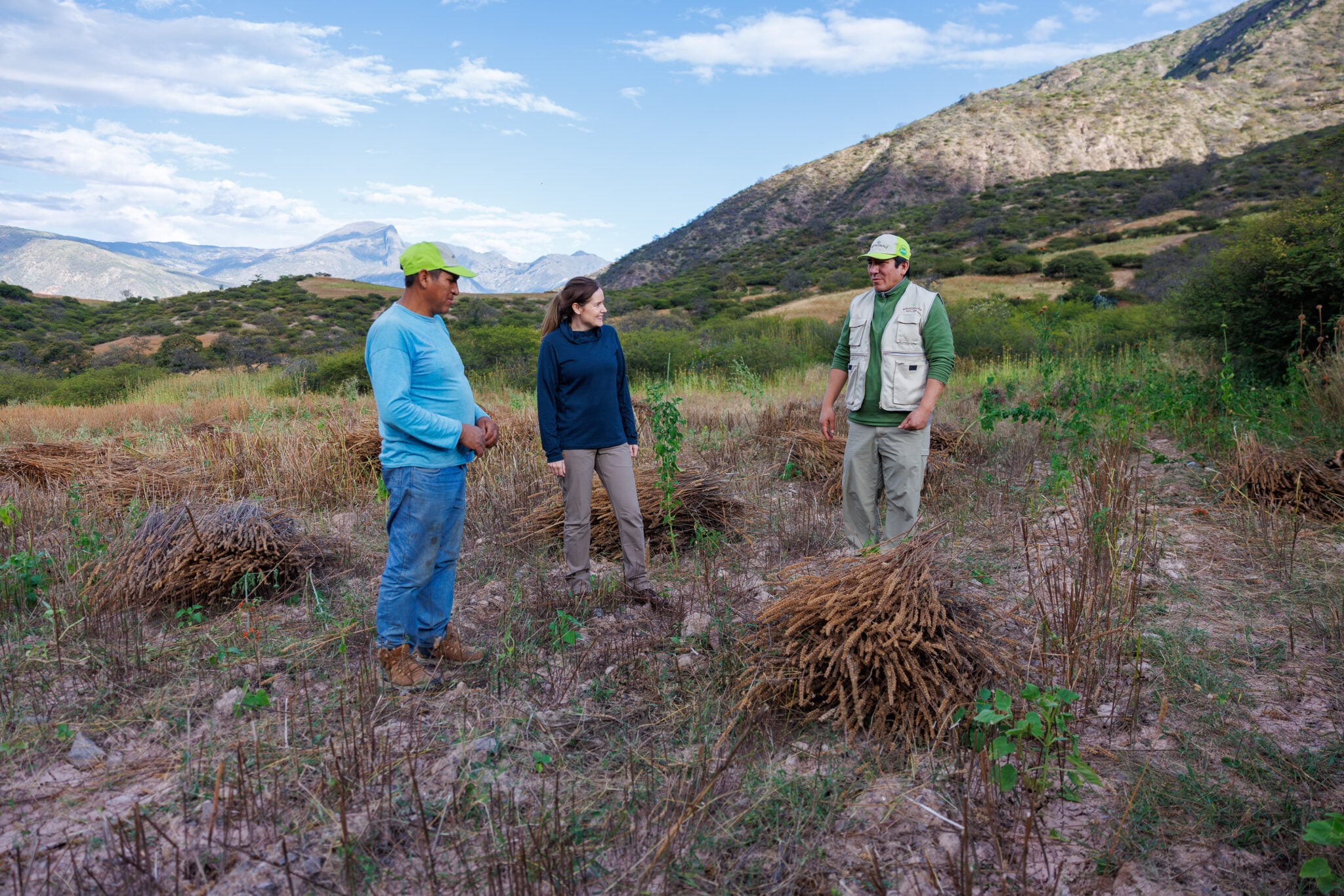
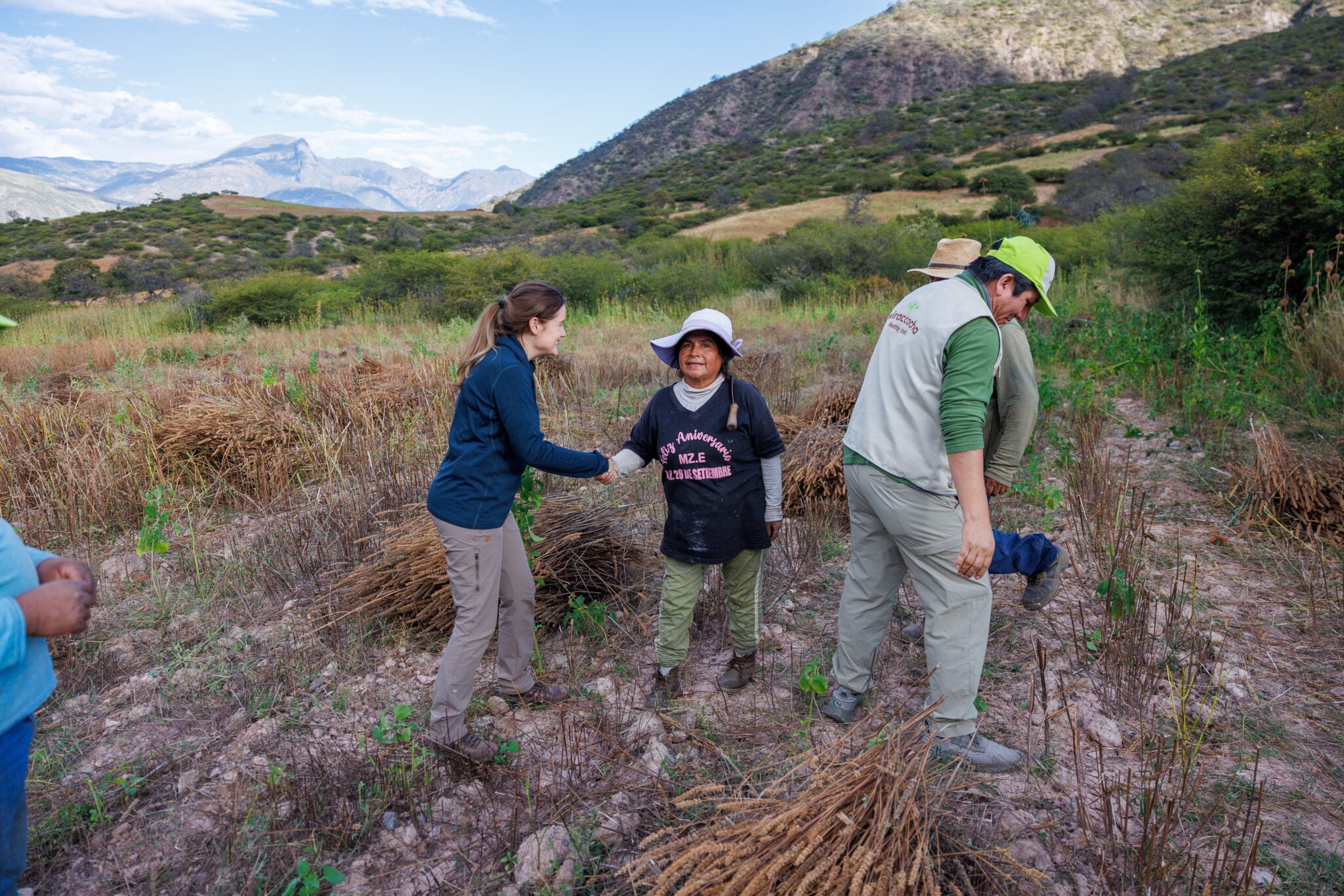
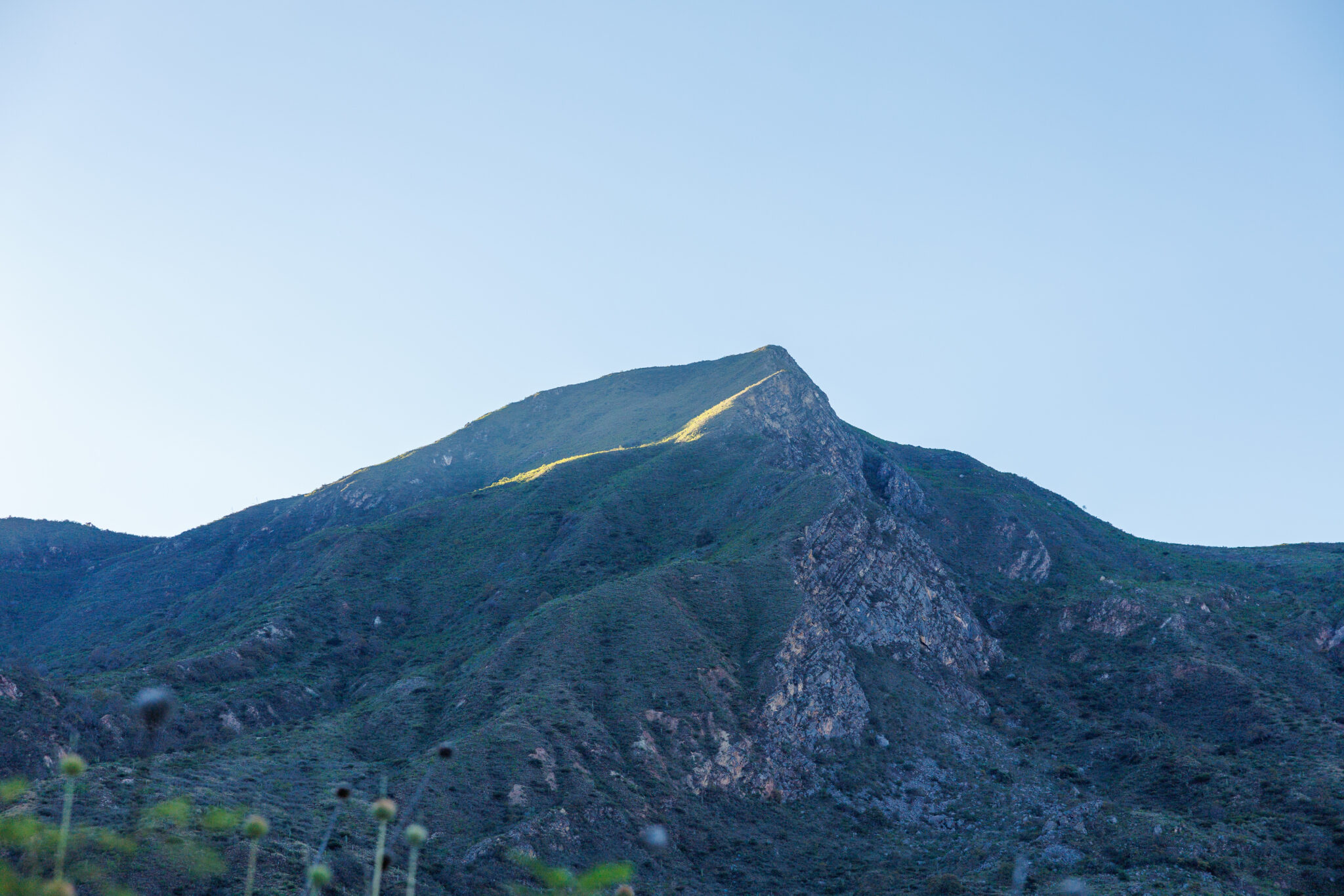
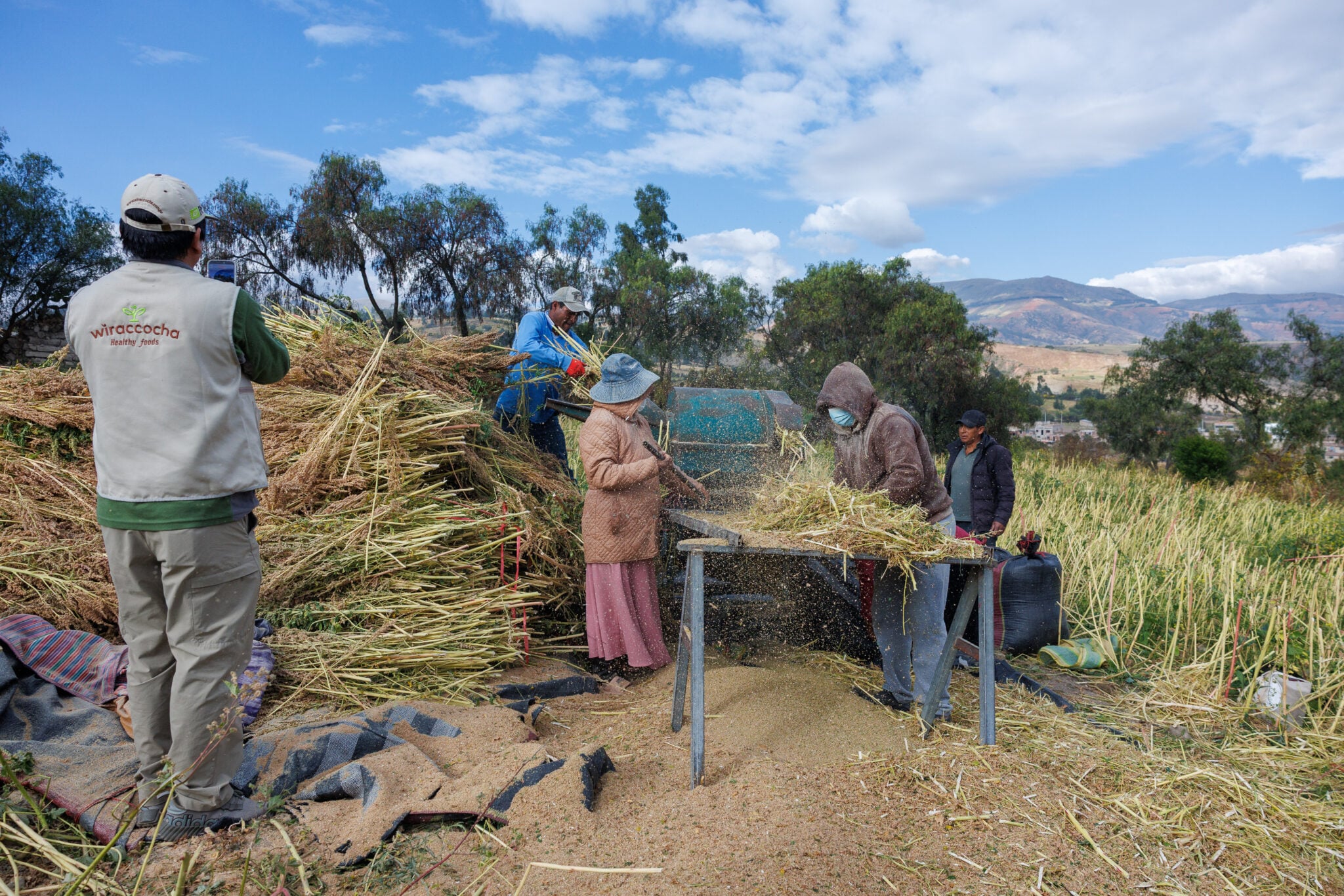
That pause turned out to be the right call, because our actual destination, the Wiraccocha organic quinoa farm, was another 1,500 feet above us, tucked into the highlands at roughly 10,500 feet above sea level. At that height, the sun feels sharper, the air thinner, and the nights genuinely cold, conditions that would wilt most crops. Quinoa, it turns out, thrives in exactly this kind of extreme, high altitude environment, which is part of why Peru remains one of the top quinoa producing regions in the world. Glicerio Felices, the founder of Wiraccocha, met us in the town where we were staying and drove us up to the farm. Watching how these farmers cultivate crops at such extreme elevation was an incredible experience in itself, and it gave us a whole new appreciation for what sustainable, high altitude agriculture actually looks like on the ground.
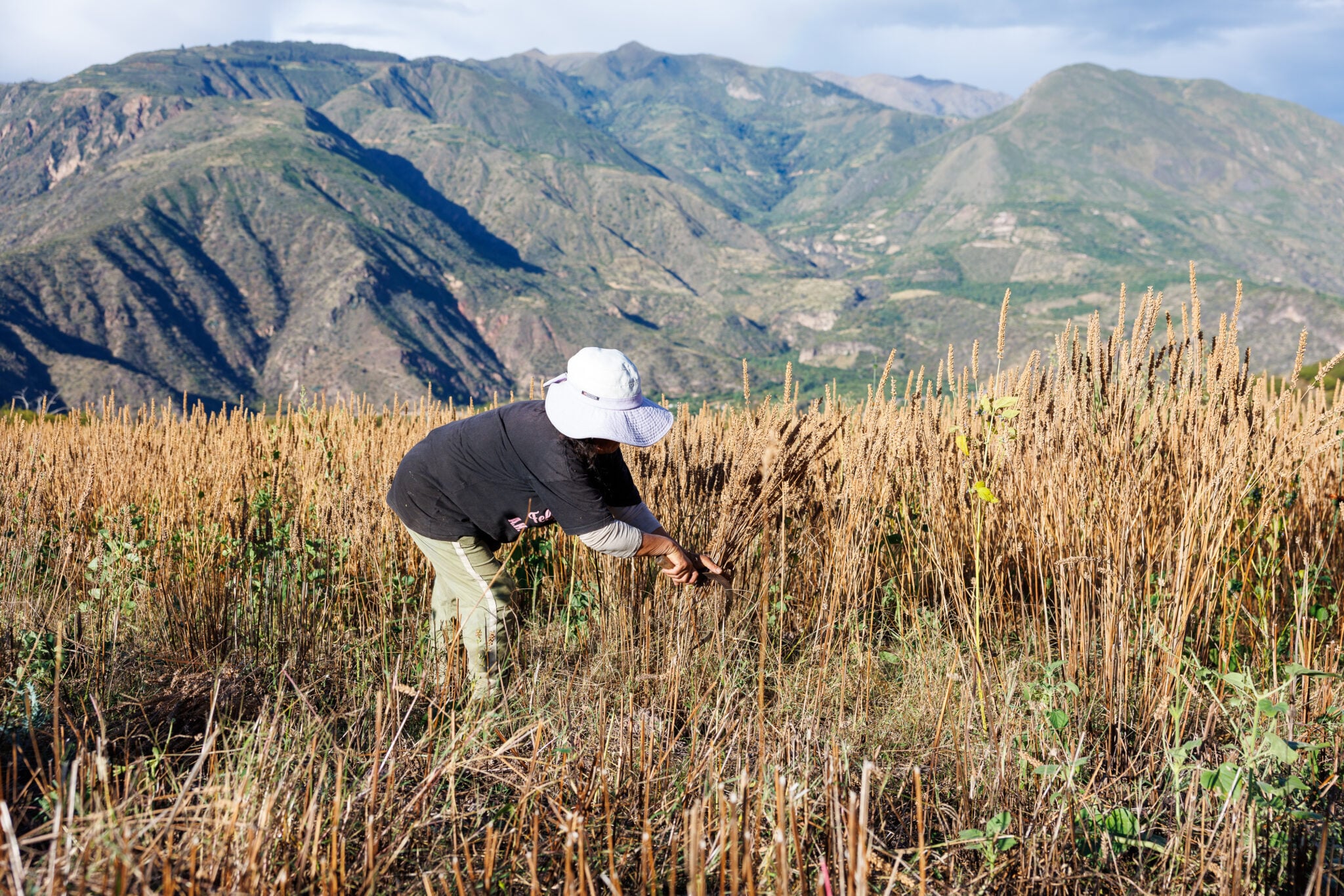
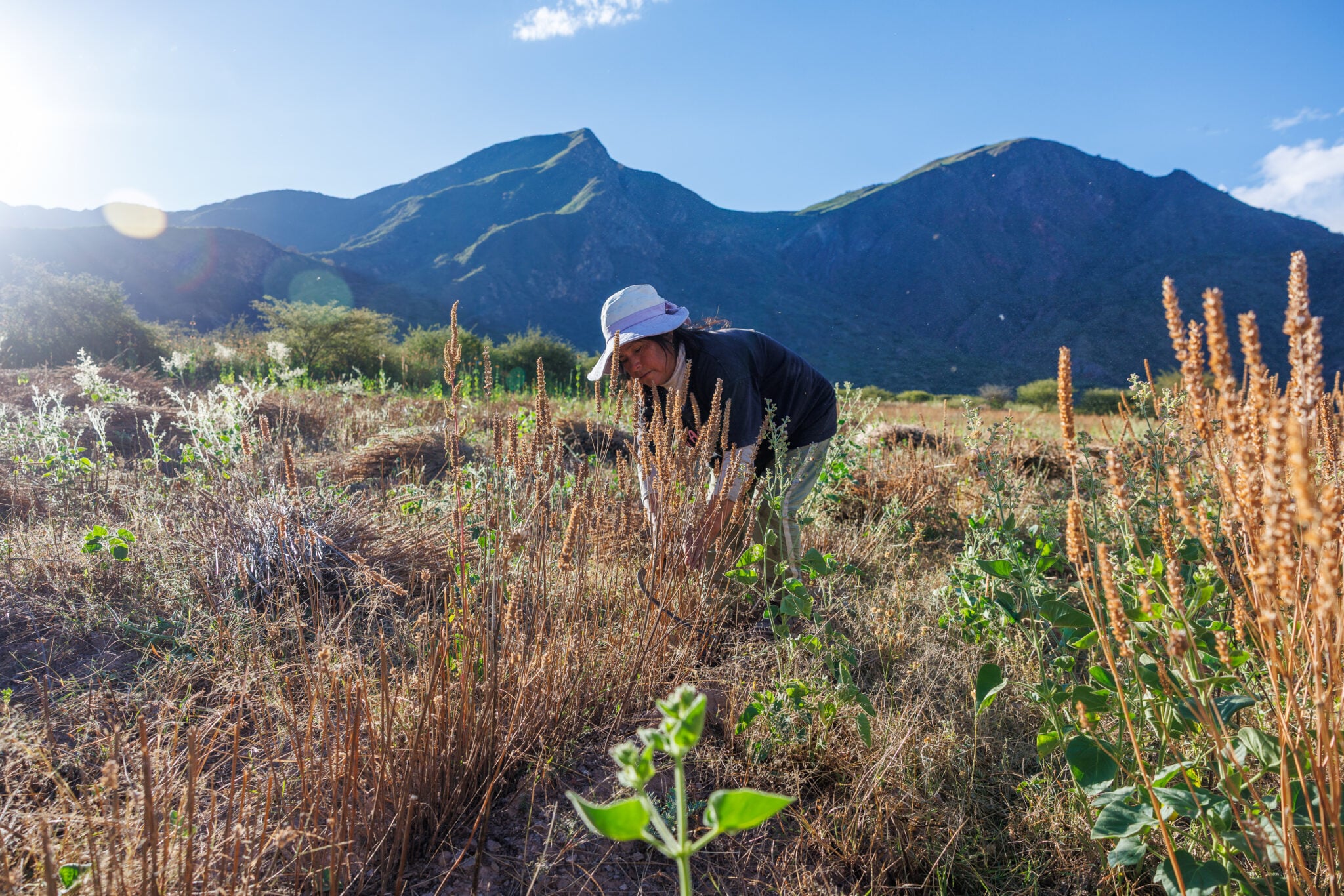
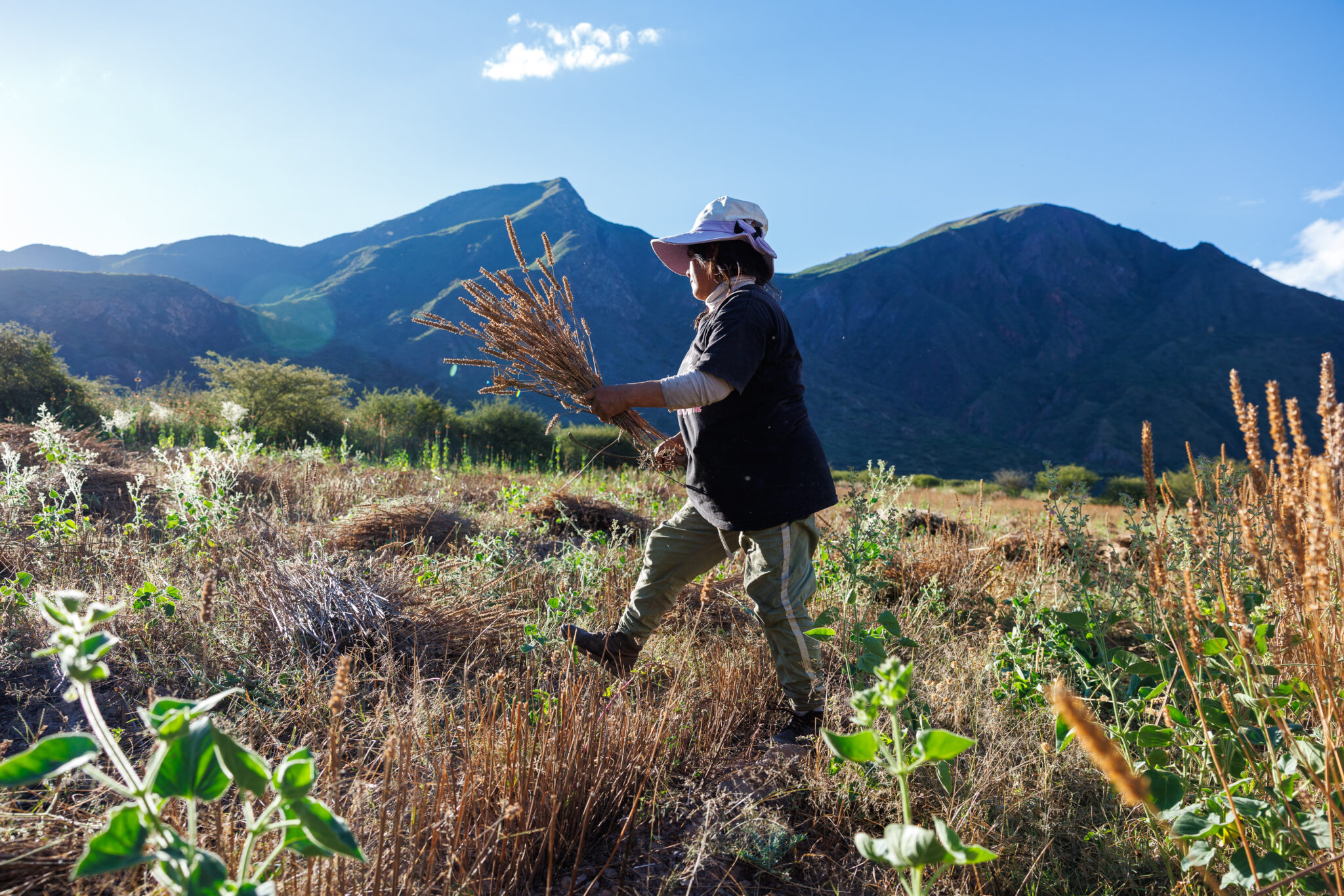
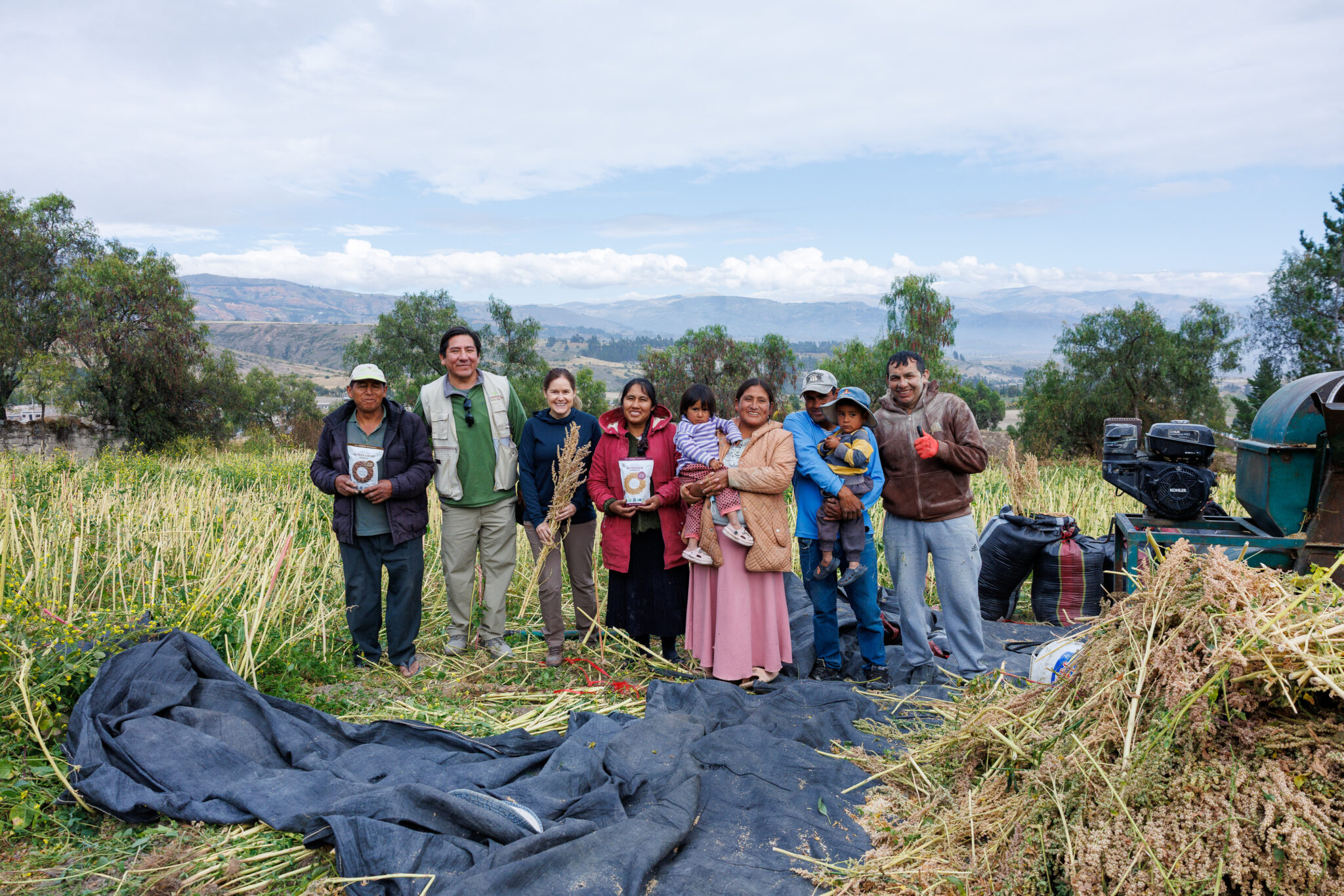
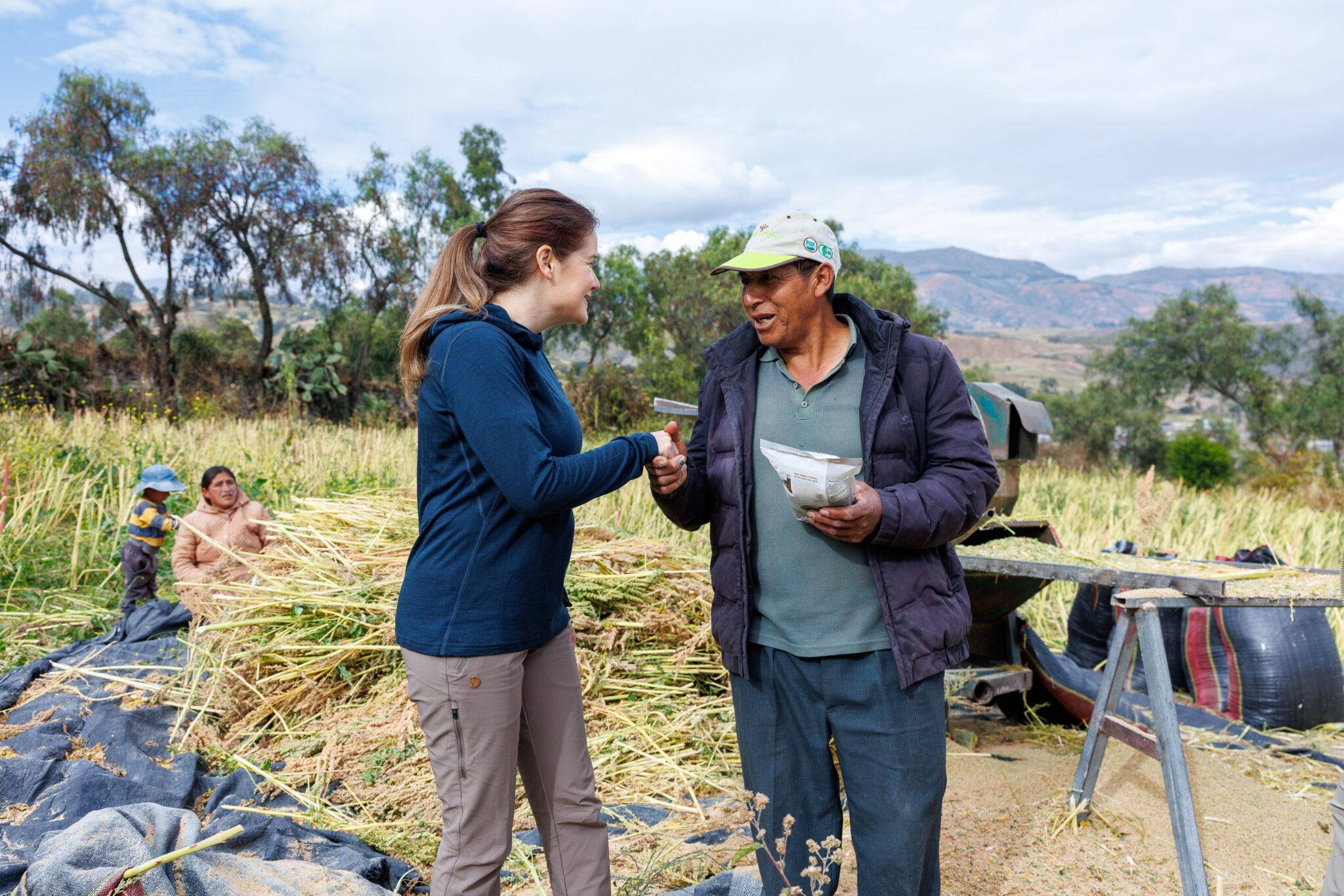
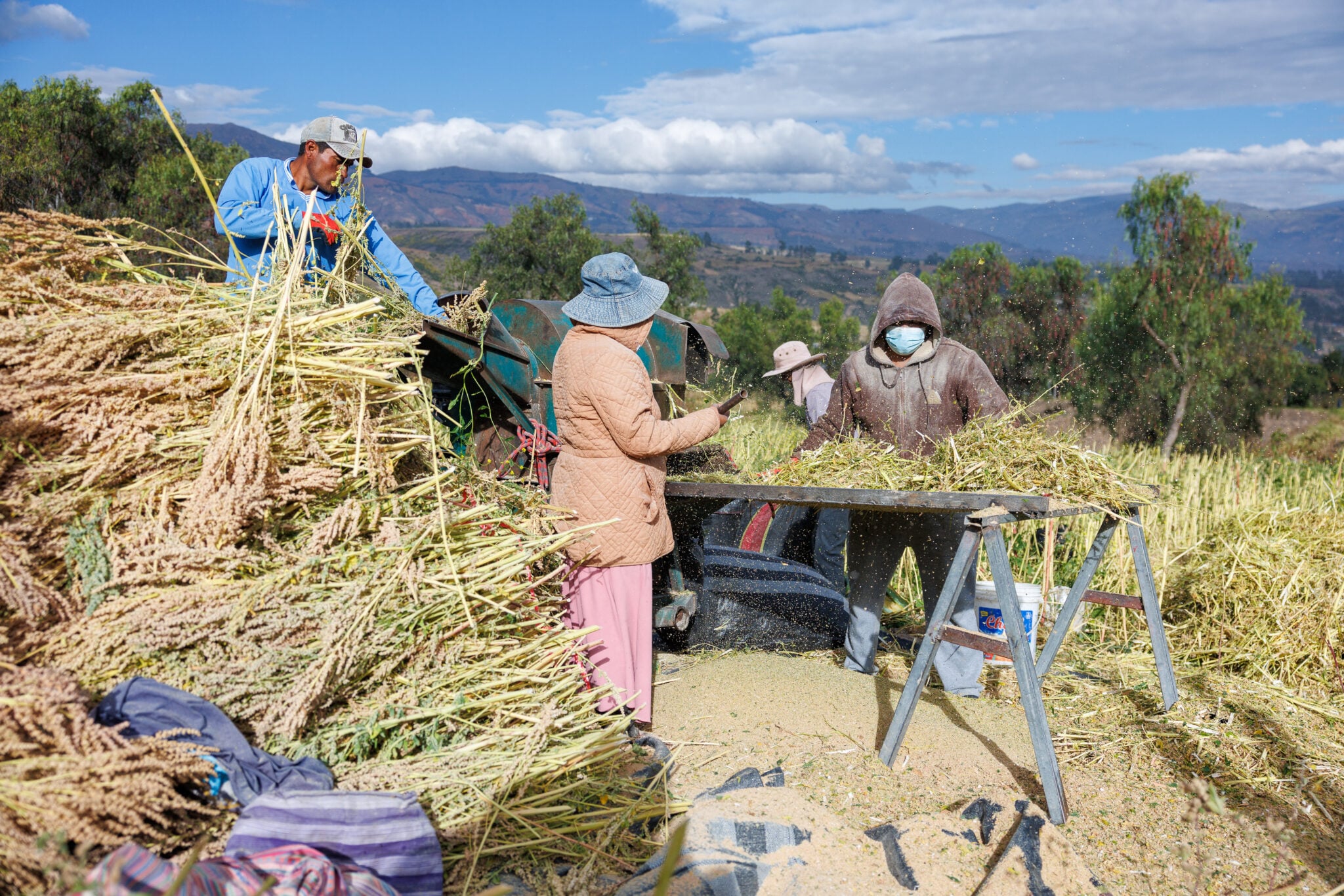
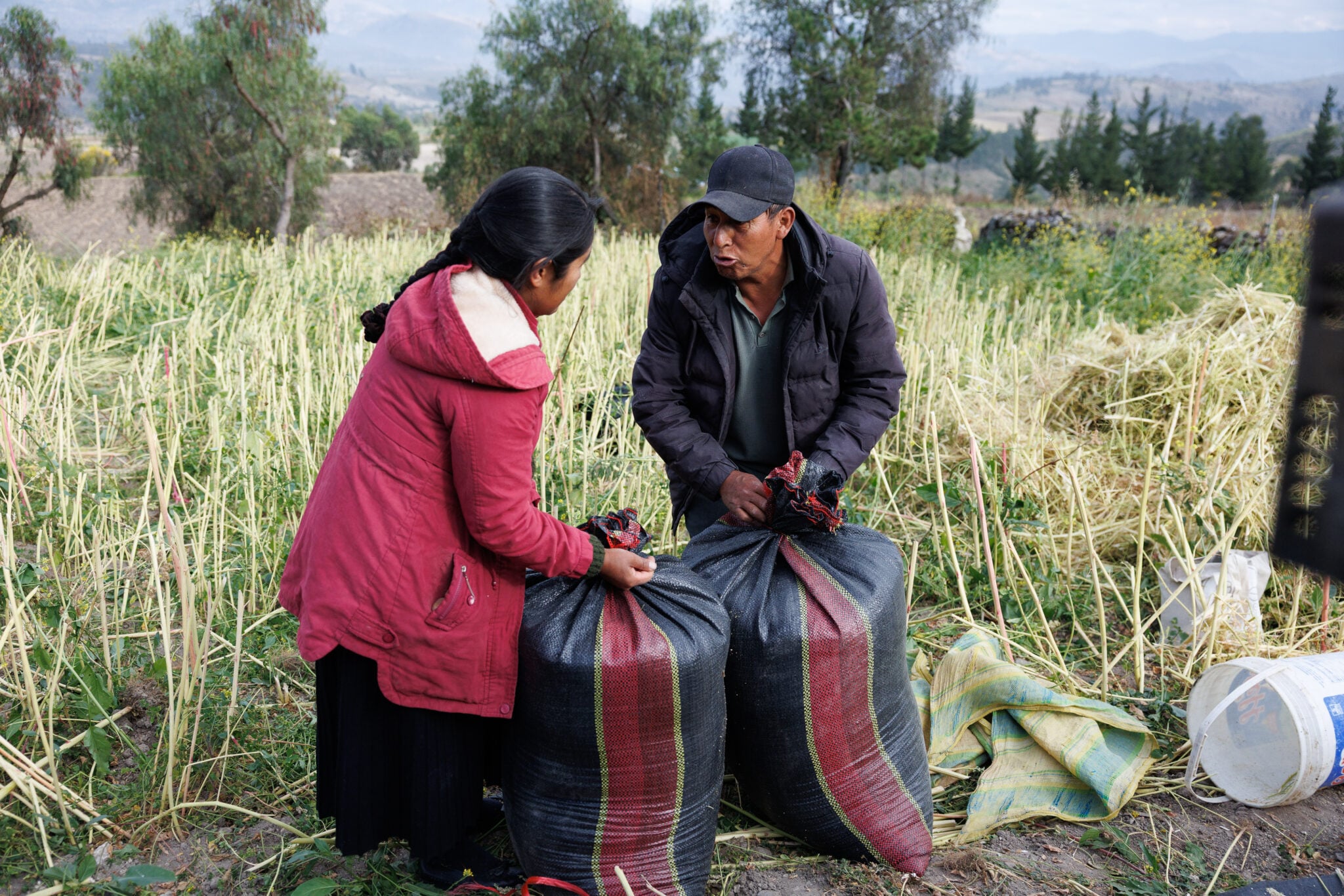
Wiraccocha farmer harvesting quinoa by hand
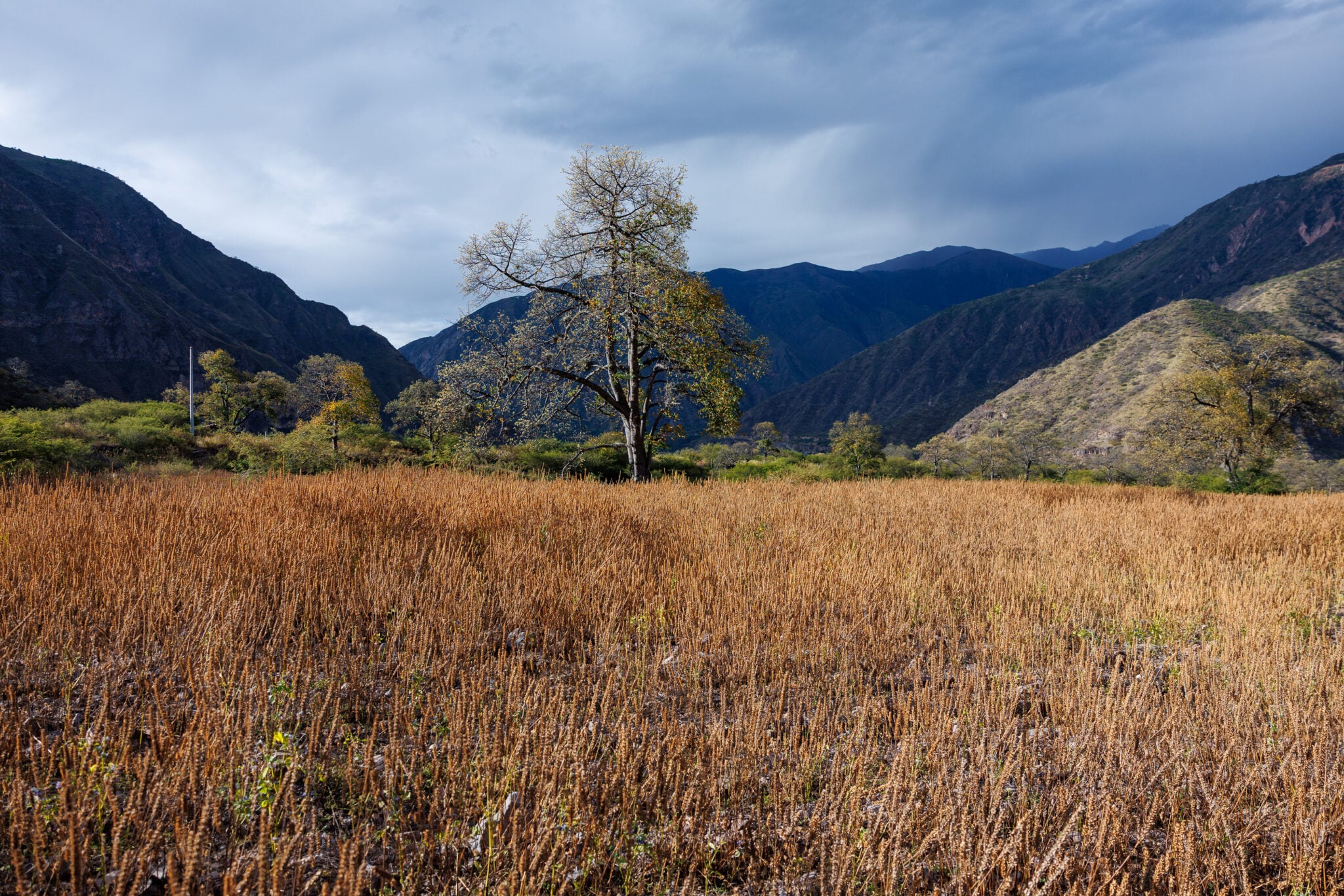
Wiraccocha has been farming organically in this region for more than 17 years, and that patience and commitment to organic farming practices show, in the soil and in the healthy stands of quinoa we walked through. When we visited, the plants were just about ready for harvest, tall stalks topped with dense, grain heavy seed heads. Did you know Peru is home to roughly 3,000 distinct varieties of quinoa? It’s staggering how much genetic diversity exists within one tiny ancient grain, and it’s a big reason Peruvian quinoa is considered some of the best in the world.
Nutritionally, quinoa earns its “superfood” reputation honestly. It’s one of the few plant based foods that delivers all nine essential amino acids, making it a complete protein source. It’s also naturally gluten free, packed with fiber, iron, and magnesium, and rich in antioxidants, which is part of why it’s found such a global market among health conscious consumers looking for nutrient dense, whole food ingredients.
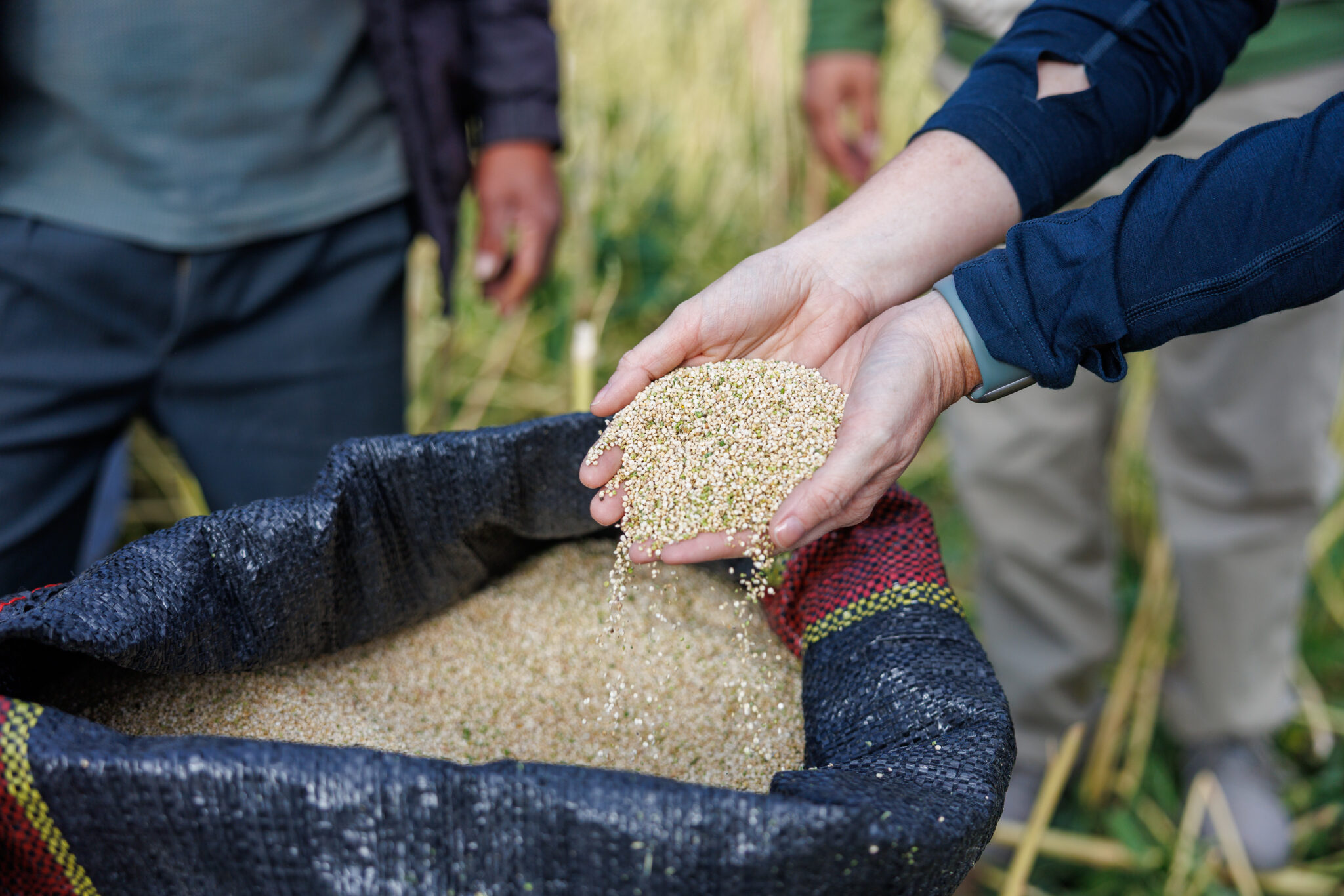
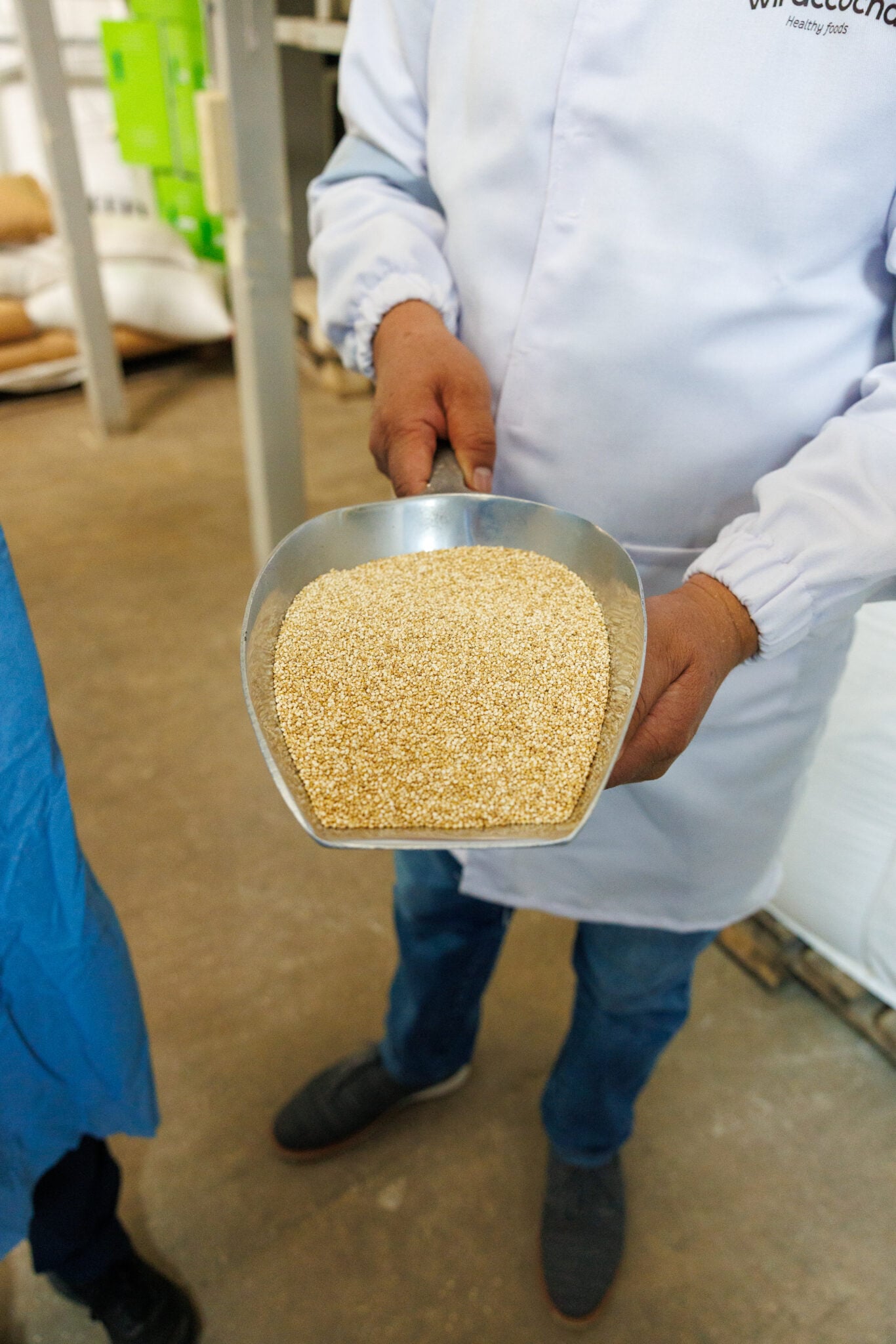
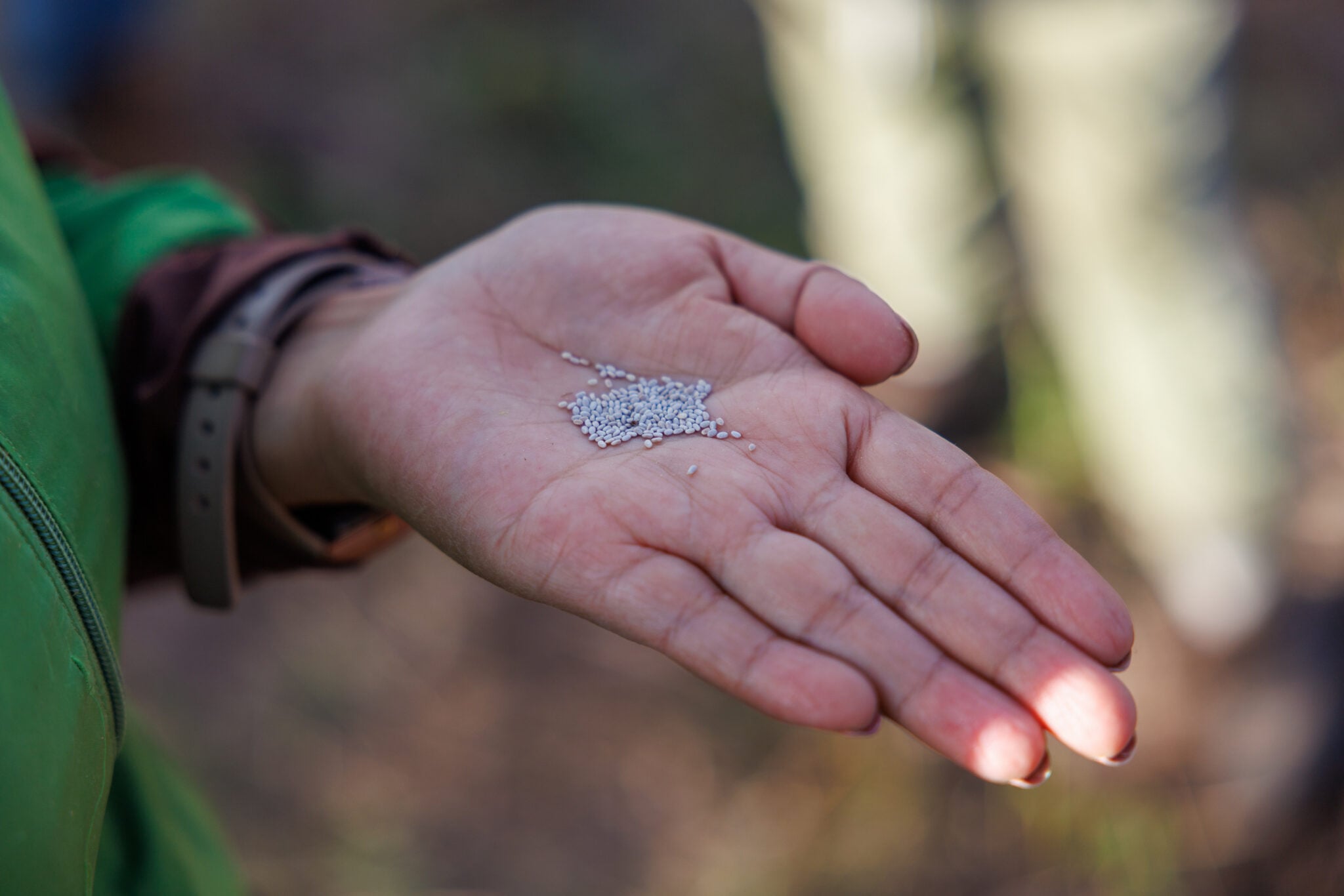
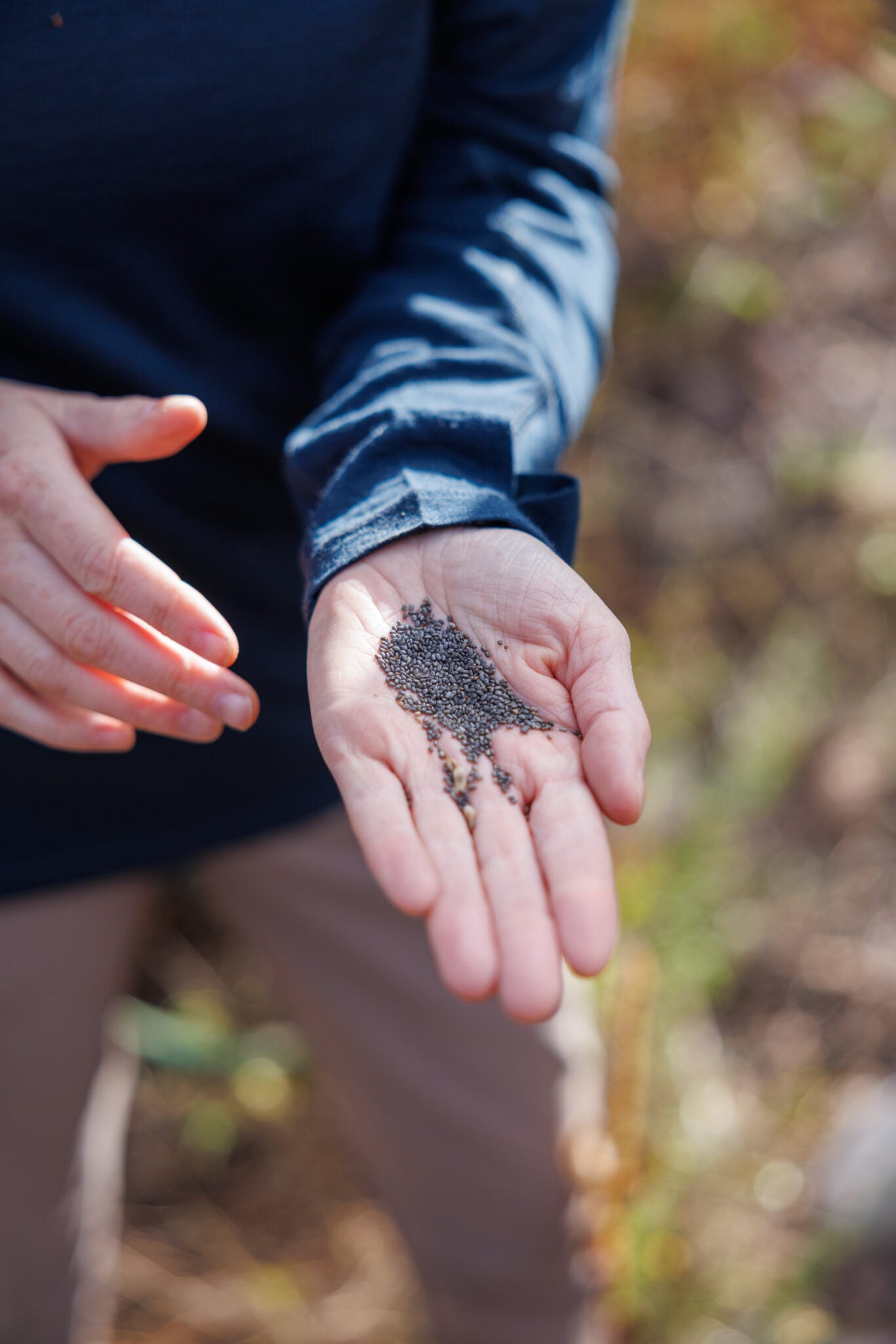
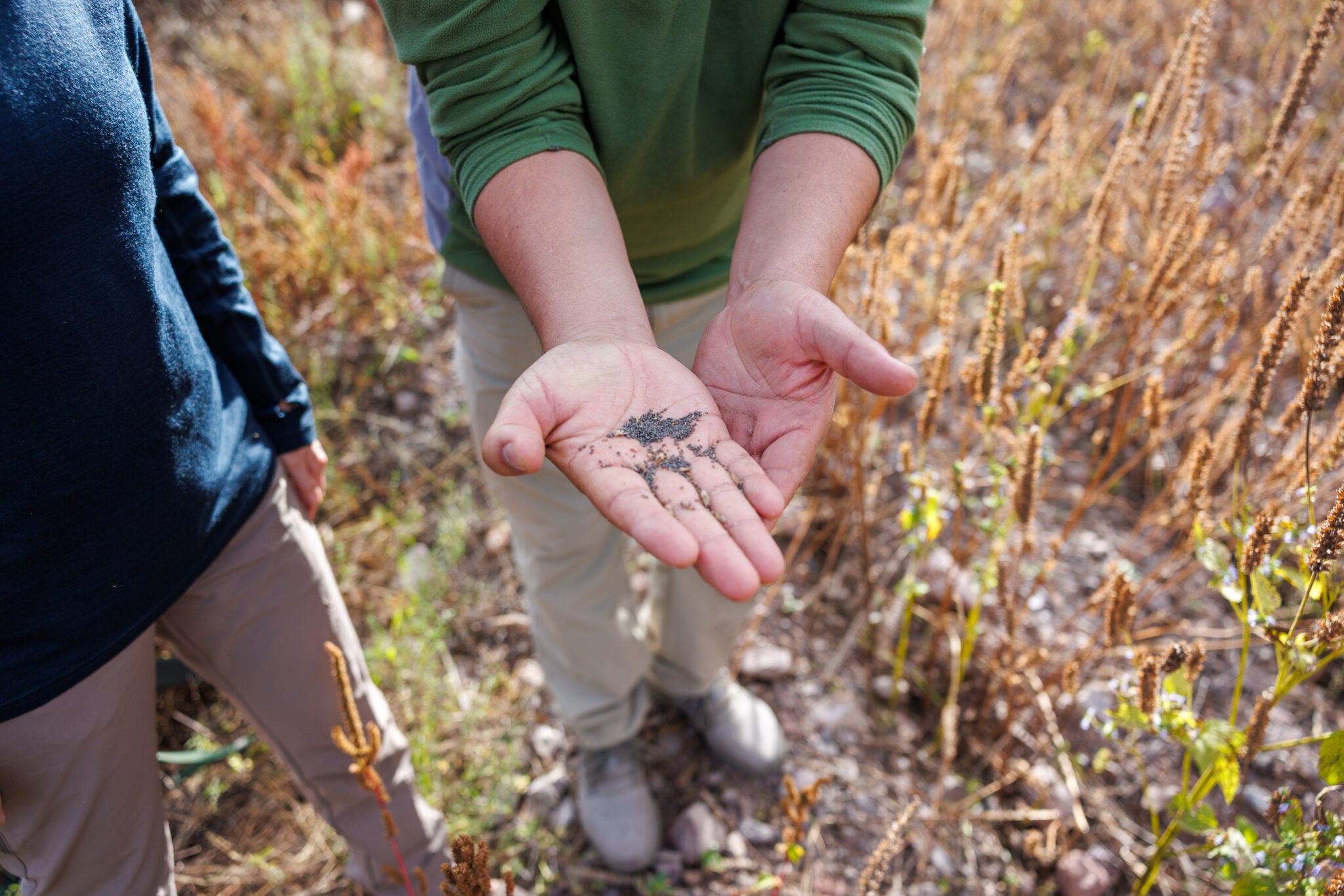
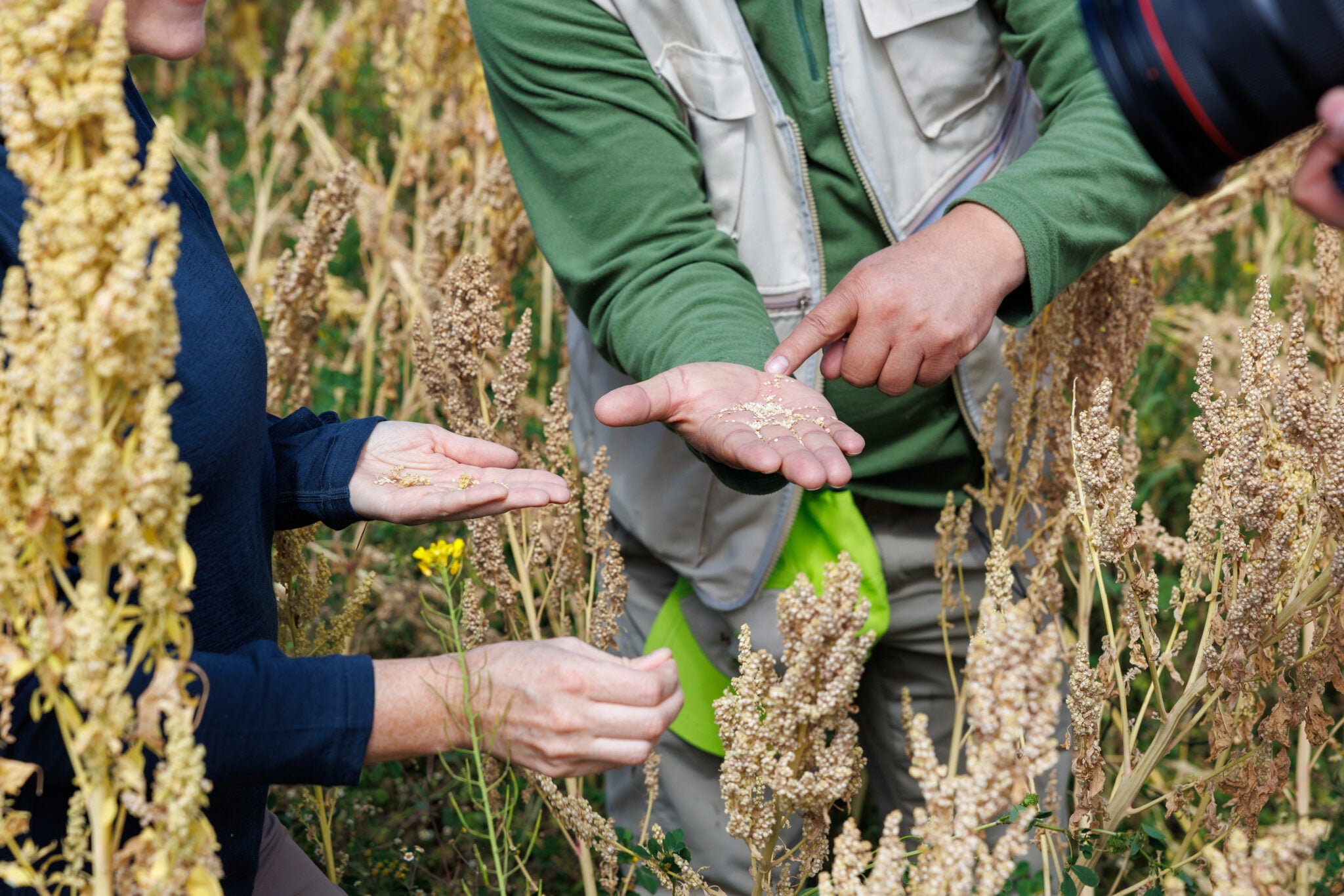
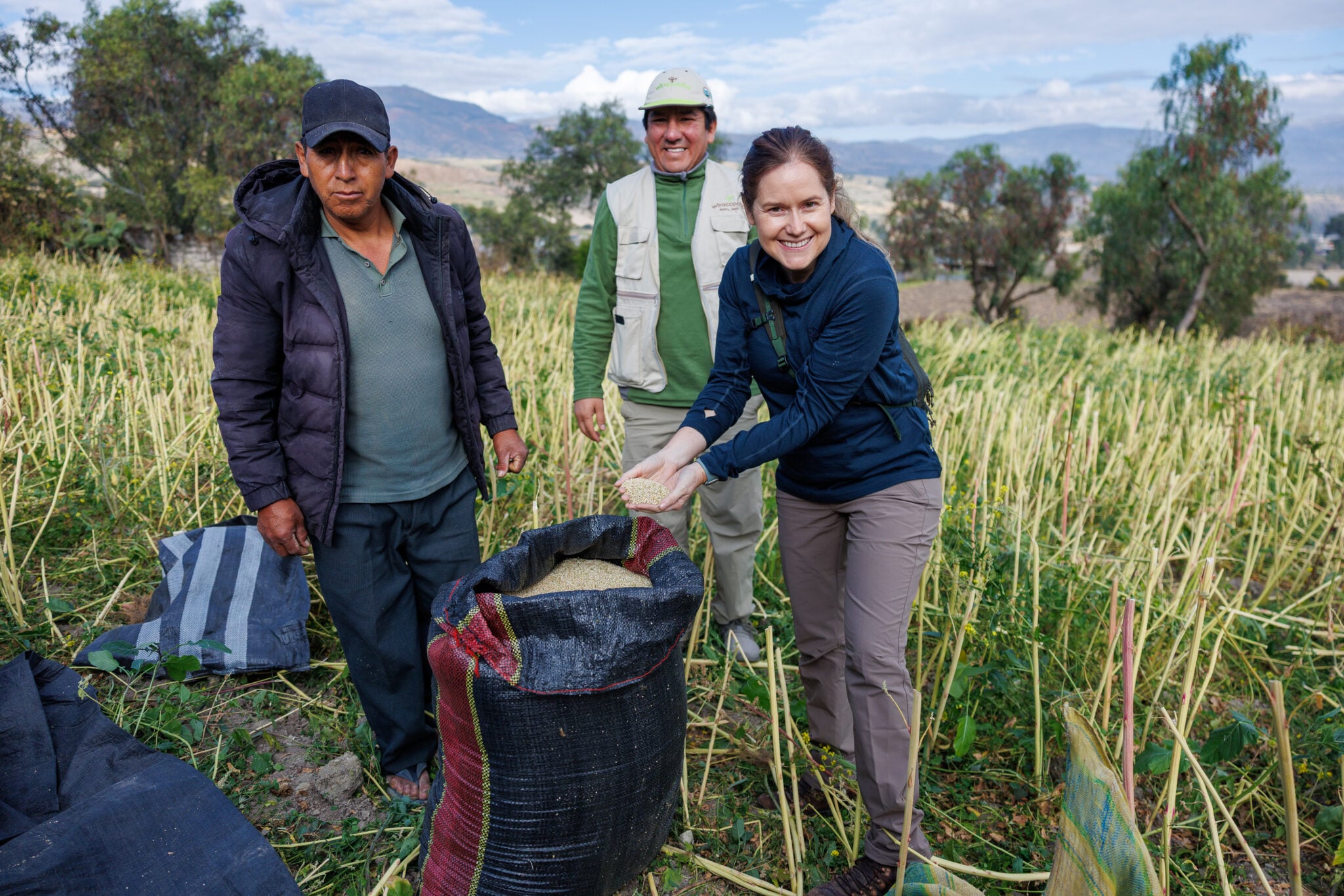
This is the quinoa harvest straight from Wiraccocha fields
By the time we drove back down from the farm, our cameraman was back on his feet, camera in hand, and we had a much better answer for anyone who asks us how to handle high altitude travel. It’s always inspiring to bring these stories to you, and we hope to keep sharing more of them in every One Degree product we make, because knowing where your food comes from matters just as much as knowing what’s in it.
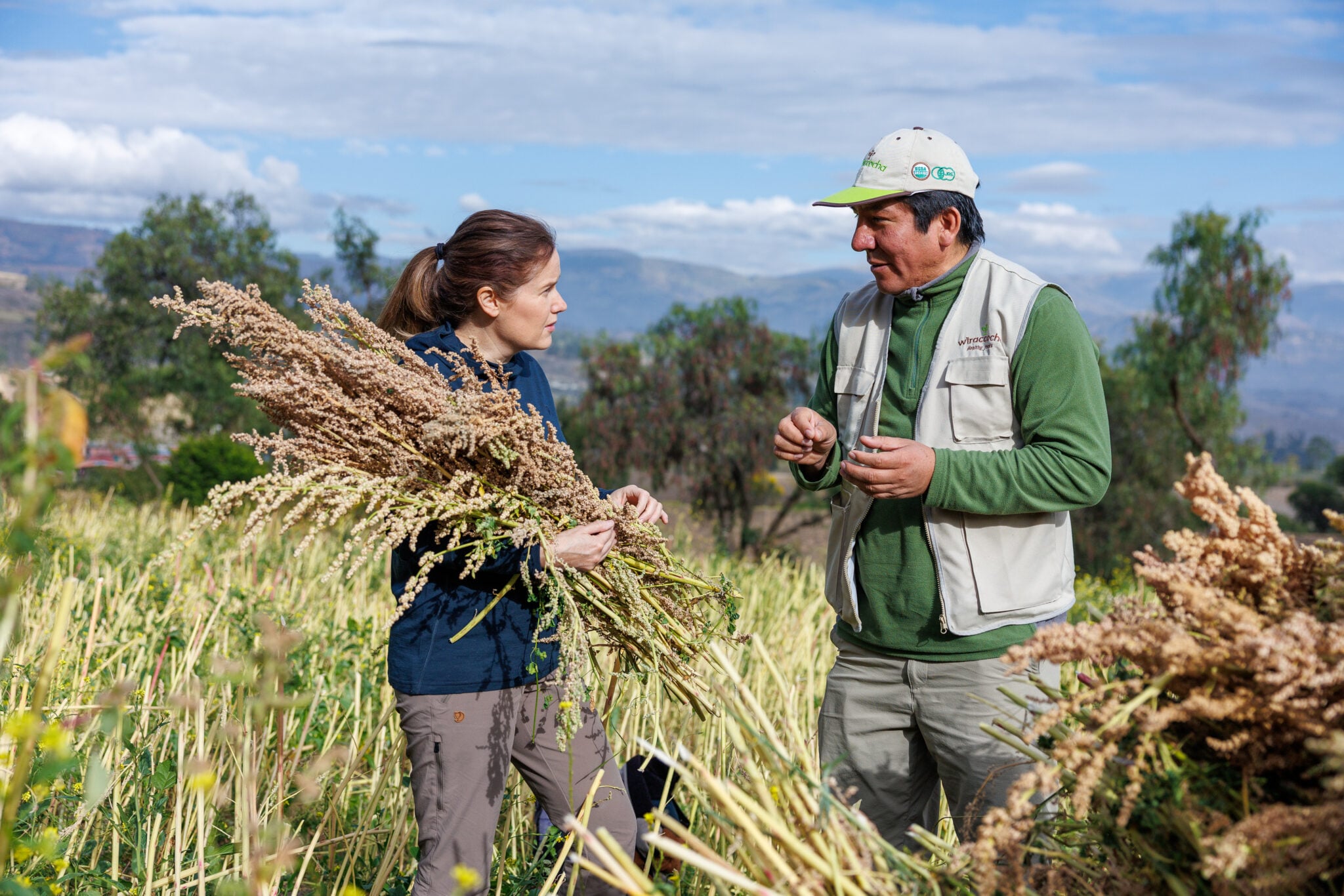
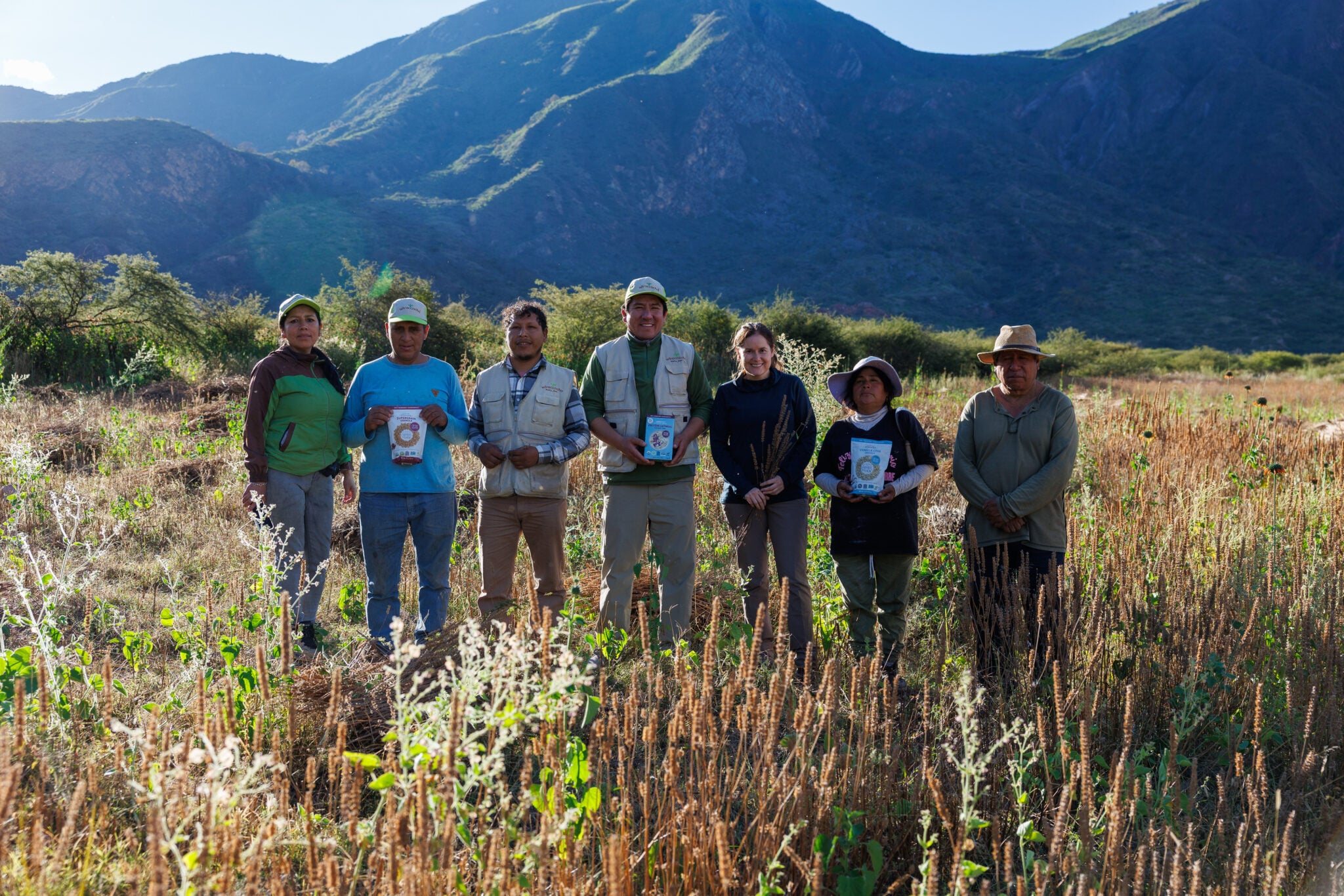
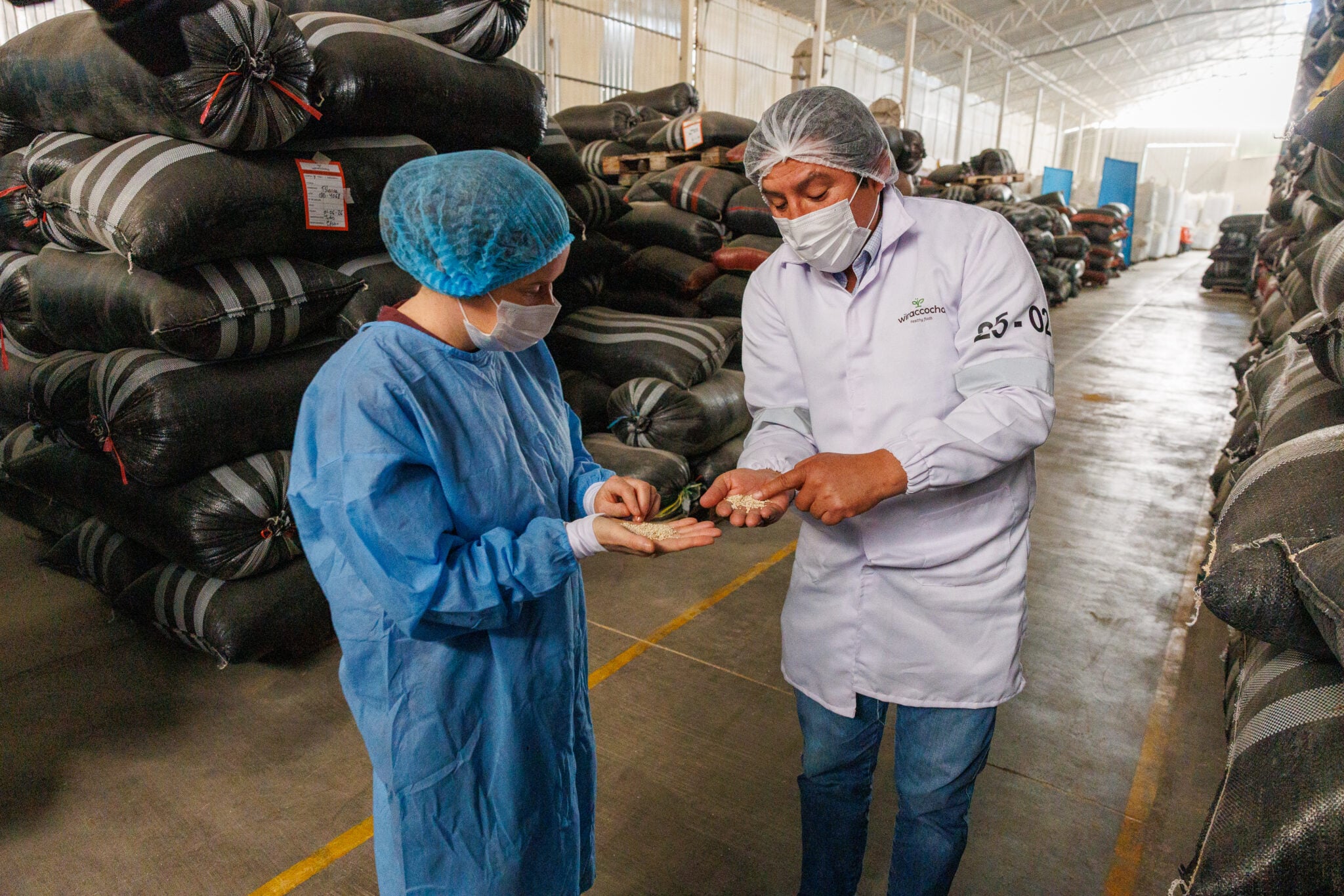
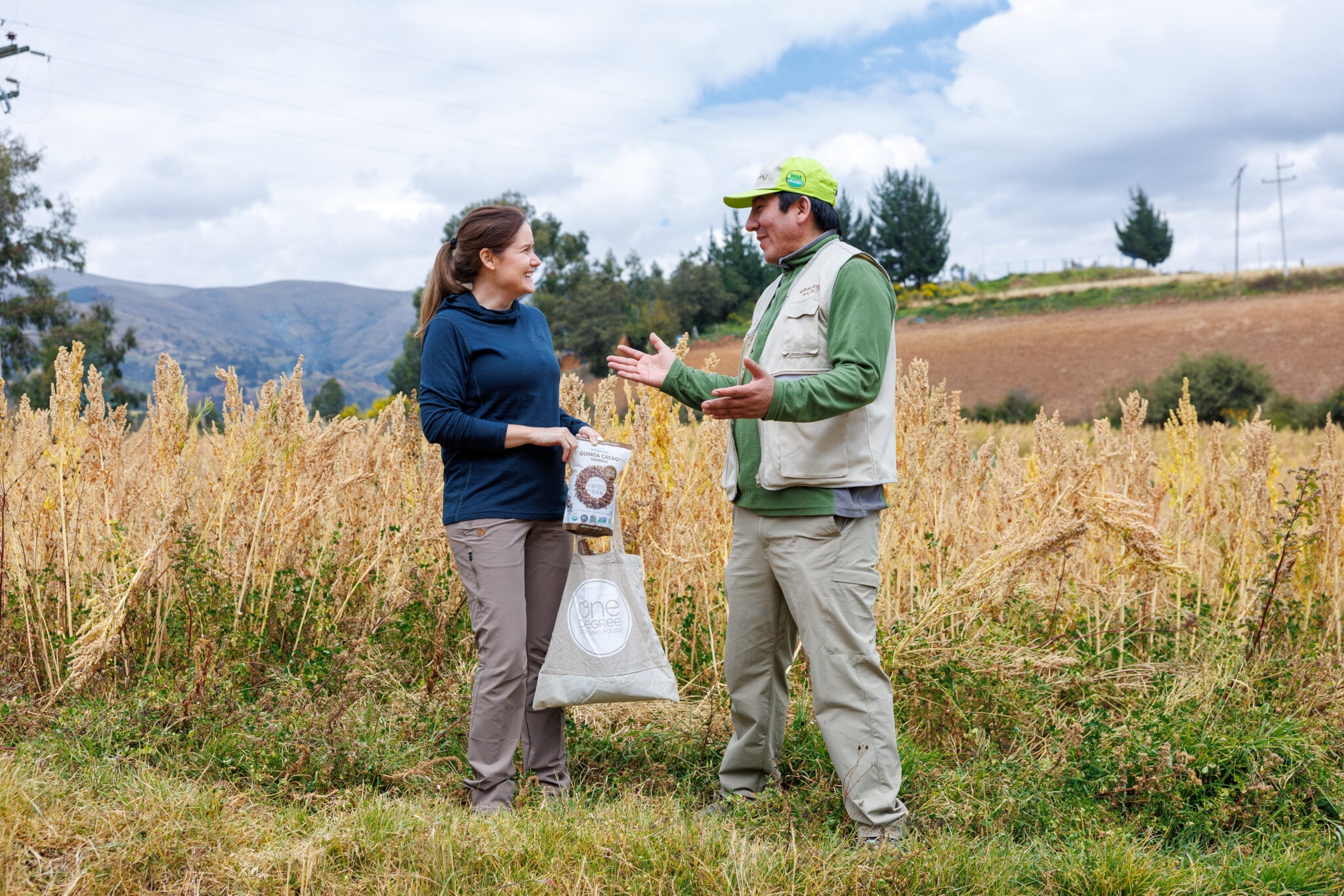
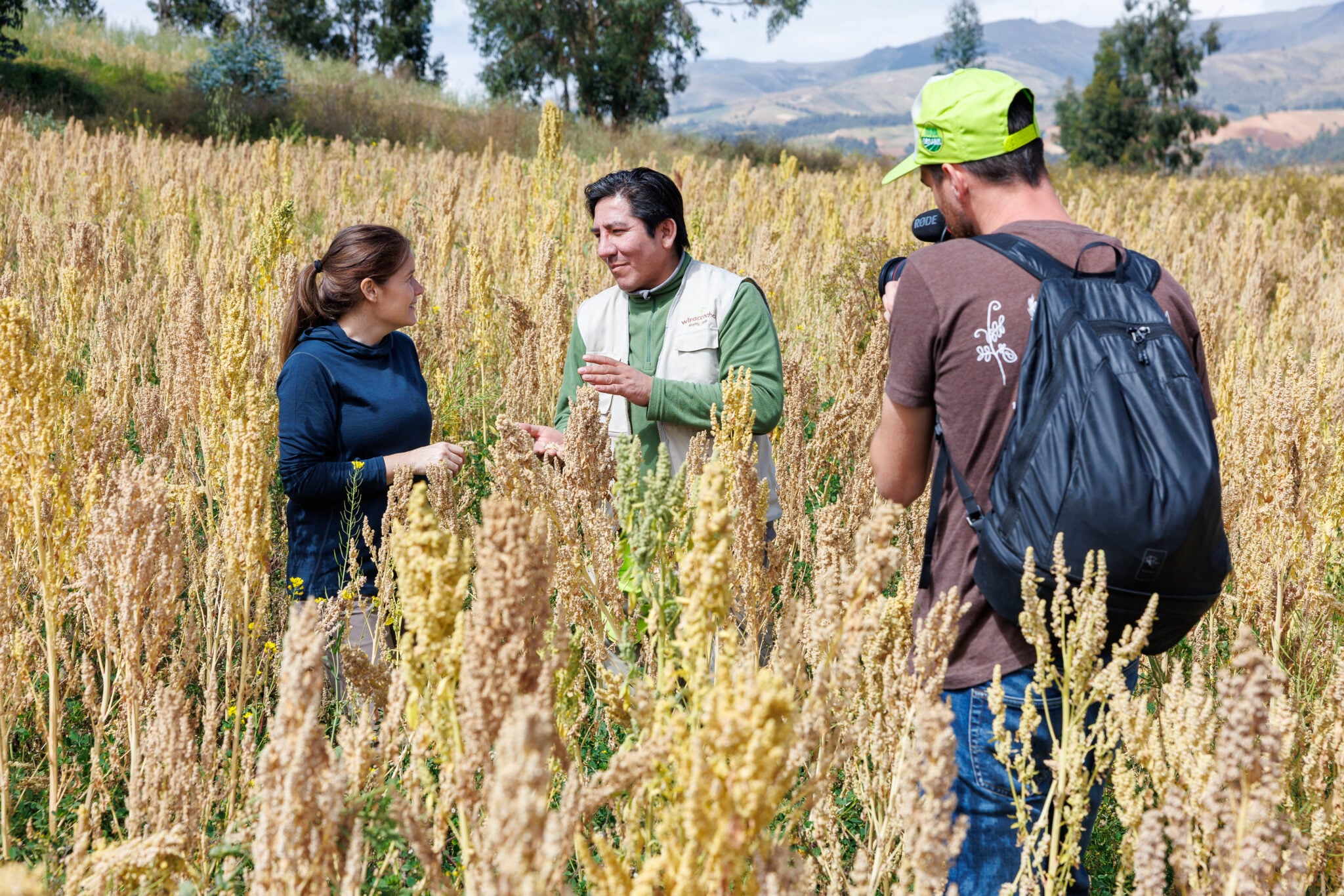
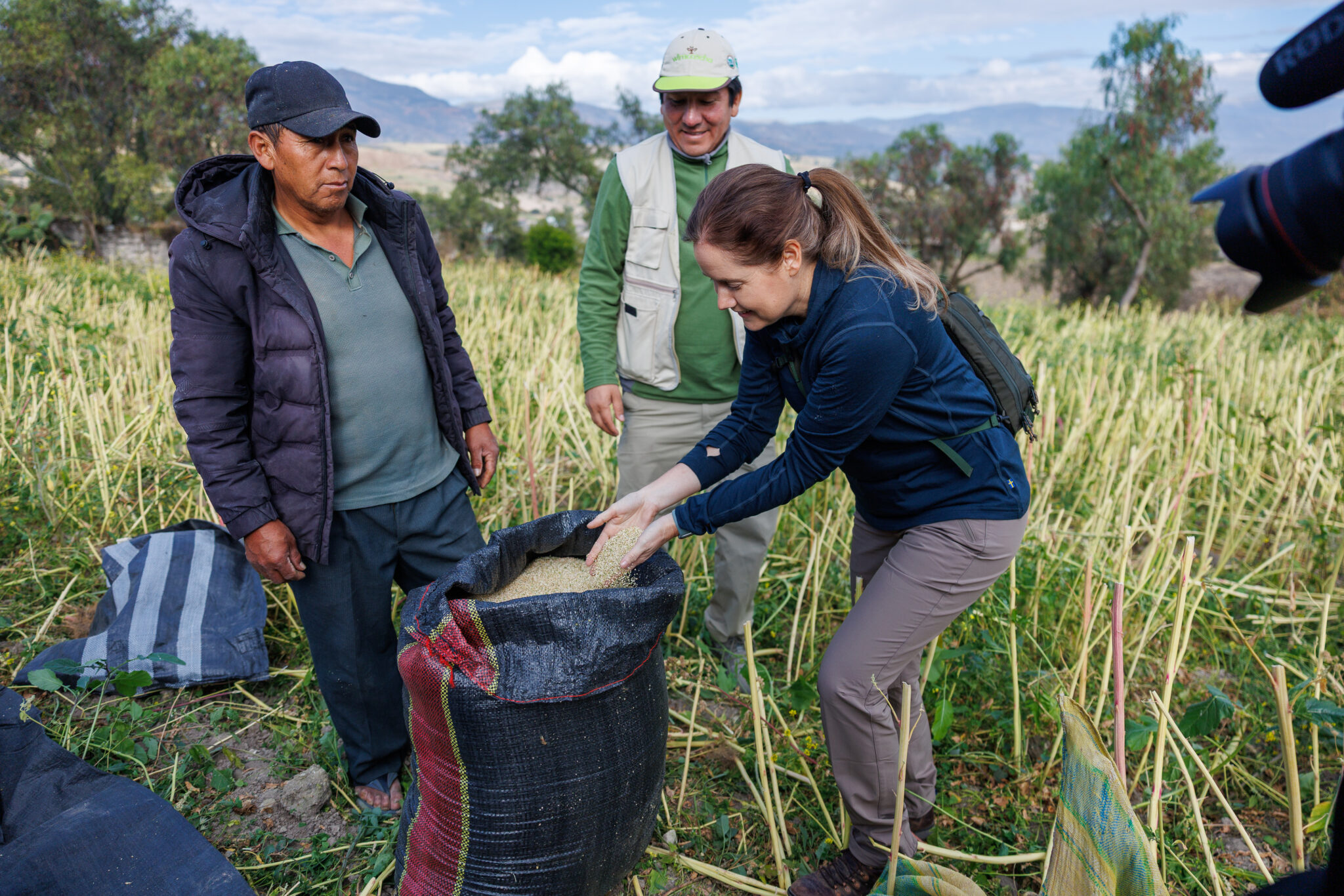
Alonna Smith holding quinoa crop while talking to the owner of Wiraccocha,Glicerio Felices
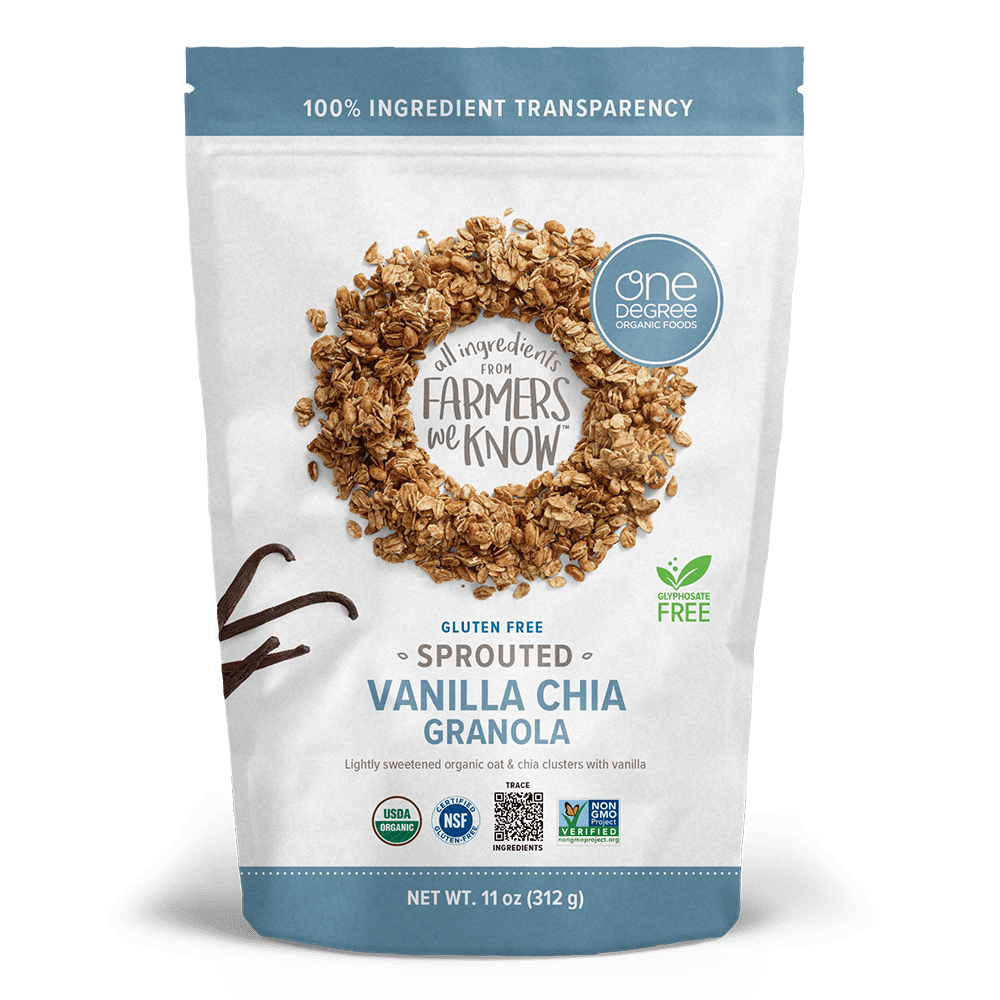
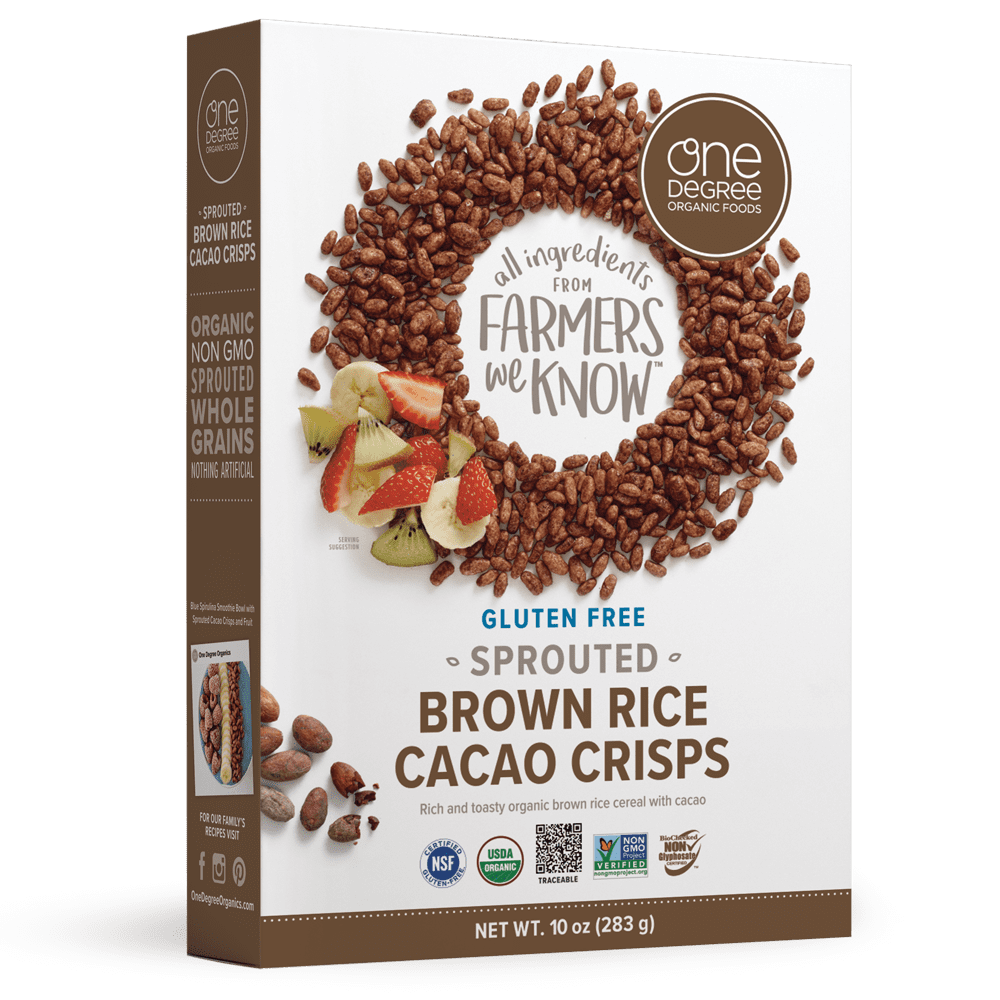
We’re proud to source our organic quinoa and organic chia seeds from this certified organic farm, whose belief in regenerative, nature based farming mirrors our own commitment to clean, transparent, ethically sourced ingredients.
REFENCES
- Coca Tea In Peru: Benefits, History and The Truth About Altitude Sickness. Available from: coca-tea-peru Accessed: September 2026